

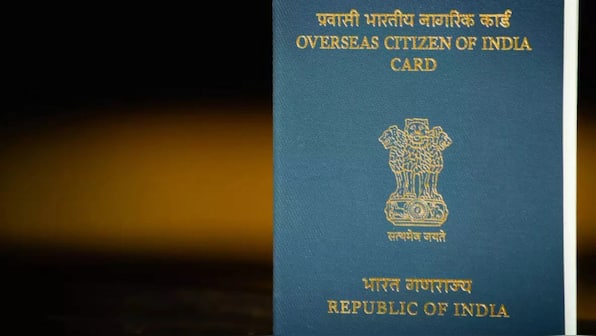
India has introduced major reforms to the Overseas Citizen of India programme after more than a decade, aiming to modernise processes and improve efficiency. Led by the Ministry of Home Affairs, the updated framework came into effect from April 1, 2026. These changes focus on simplifying procedures, enhancing transparency, and strengthening digital systems for better service delivery across global Indian missions.
One of the most significant updates is the introduction of a uniform global fee structure. Previously, fees varied depending on the country of application, but now a standard fee has been implemented. New OCI applications filed abroad will cost USD 275, while applications within India are priced at INR 15,000. Re-issuance of OCI cards after passport updates or personal changes will cost USD 25, ensuring clarity and consistency in pricing.
Another major reform is the strict passport update rule. OCI cardholders are now required to update their details within three months of receiving a new passport. Failure to comply within this 90-day window will attract a penalty of USD 25. This rule has been linked to improved biometric verification systems, which aim to enable faster and more efficient immigration processes at Indian airports.
The government has also expanded eligibility criteria, especially benefiting the Sri Lankan Tamil diaspora. Earlier limited to fourth-generation descendants, OCI eligibility now extends to fifth and sixth generations. Additionally, Sri Lankan government-issued documents will be accepted as valid proof, making it easier for applicants with limited historical records to establish their eligibility.
In a move to improve accessibility, the government has removed the six-month residency requirement for certain OCI-related processes. This change is expected to facilitate easier participation in initiatives like the Vaibhav Fellowship, allowing global Indian-origin professionals to collaborate with institutions in India without administrative delays.
Overall, the revamped OCI framework reflects India’s efforts to strengthen its engagement with the global diaspora. While the new rules bring tighter compliance requirements, they also aim to streamline services, improve security through better data systems, and make the OCI programme more efficient and accessible for applicants worldwide.