

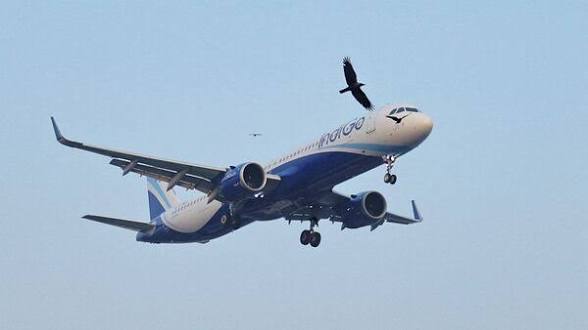
The Goa government has reduced the value-added tax (VAT) on aviation turbine fuel (ATF) to 7%, with the revised rate taking effect from October 24, 2026. The decision lowers the tax from the previous rate of 15%, which had been in place since March 2024. The move is expected to support the aviation sector by reducing the tax burden on fuel and strengthening the state’s air connectivity.
IndiGo has welcomed the decision and urged other states to consider similar measures as aviation fuel costs remain high. The airline said rationalising VAT on ATF could improve air connectivity, support tourism growth and make air travel more accessible. It also expressed hope that other states would follow Goa’s example and introduce comparable tax measures.
In a post on X, IndiGo thanked Goa Chief Minister Pramod Sawant for the decision, describing it as a progressive step towards strengthening the aviation ecosystem. The airline highlighted the importance of reducing aviation-related costs to support the sector and improve connectivity between destinations.
The revised VAT rate was announced through a notification issued by Goa’s Department of Finance (Revenue and Control) on October 23, 2026. The notification amends Schedule C of the Goa Value Added Tax Act, 2005, prescribing a 7% VAT rate for “Aviation Turbine Fuel other than covered by entry (1) above”. The change replaces the earlier provision listed under serial number two of the schedule.
The revised provision retains the distinction between the specified category of aviation turbine fuel and the fuel covered under the preceding entry. By reducing the applicable VAT rate, Goa has taken a step towards rationalising aviation fuel taxation, an important cost component for airlines operating domestic and regional services.
IndiGo said similar tax reductions by other states could further strengthen the aviation ecosystem and support tourism by improving air connectivity. For Goa, where tourism is a significant economic driver, the move is intended to reinforce the state’s position as a travel destination. The broader impact on airfares and airline operating costs will depend on how carriers respond to the lower tax rate and whether other states adopt similar measures.