

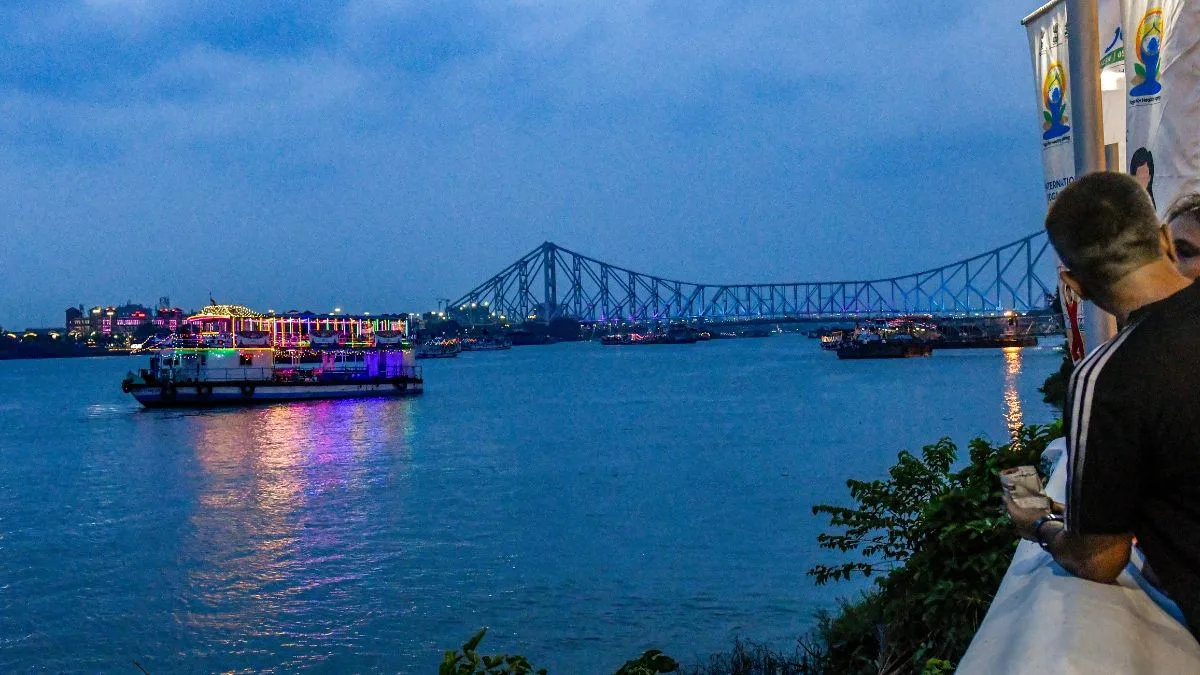
West Bengal has used the Travel Agents Association of India’s (TAAI) 69th Convention & Exhibition – Indian Travel Congress 2026 to highlight its tourism investment potential, hotel development plans and efforts to diversify its destination portfolio.
The state’s tourism agenda formed part of the wider industry discussions at the convention, which concludes in Kolkata tonight after three days of trade engagement, knowledge sessions and business networking.
Shankar Ghosh, Tourism Minister, West Bengal, outlined the state’s focus on tourism infrastructure, private investment, employment generation and revenue growth. The state has reported proposed investments exceeding ₹12,500 crore in its hotel sector, reflecting its ambition to strengthen accommodation capacity and expand tourism-led economic activity.
For the travel trade, the investment pipeline could create opportunities to develop new itineraries, broaden accommodation choices and promote destinations beyond the state’s established tourism circuits.
Diversifying the destination portfolio
West Bengal’s tourism offering spans the Darjeeling hills, the Sundarbans, coastal destinations, heritage attractions and religious circuits. The state is also looking to promote lesser-known destinations and develop products that encourage visitors to explore multiple regions within a single trip.
Plans to promote former European settlements along the Ganga as part of a heritage circuit could provide another dimension to the state’s destination portfolio, combining architecture, history and river-based experiences.
Darjeeling and the Sundarbans have also been identified for development as global tourism destinations with central government support.
For tour operators and destination management companies, these initiatives could create scope for specialised itineraries around nature, wildlife, heritage, culture and experiential travel. However, converting this potential into commercially viable products will depend on accessibility, infrastructure, visitor facilities and coordinated destination marketing.
Hotel development creates opportunities for the trade
The proposed hotel investments could support the development of accommodation infrastructure across established and emerging destinations. A broader hotel network would give travel agents greater flexibility in designing itineraries for leisure travellers, families, corporate groups and specialised interest segments.
However, investment announcements need to translate into operational capacity to have a sustained impact on destination development. The pace of project execution, quality of facilities and availability of transport links will be important in determining how quickly new supply can generate business for travel intermediaries.
The state’s engagement with the travel trade through the TAAI convention provides an opportunity to familiarise agents with its tourism products and encourage stronger commercial partnerships.
The convention also incorporated cultural and culinary experiences showcasing Kolkata, with post-convention tours across West Bengal and the Northeast planned to familiarise delegates with regional attractions and tourism circuits.
Marriott expansion adds to India’s hospitality outlook
The convention also highlighted the growth potential of India’s hospitality sector through the participation of Rajeev Menon, President, Asia Pacific excluding China, Marriott International, who received TAAI’s Legend of Excellence Award.
Menon outlined Marriott International’s India expansion, noting that the company operates approximately 240 hotels in the country, with more than 200 additional properties under development. He indicated that India could become the group’s third-largest market globally within two years.
The expansion outlook points to growing accommodation options for travel businesses as hotel operators broaden their presence across Indian markets.
For travel agents, a wider hotel network can create opportunities to develop new leisure, luxury, corporate travel and meetings and incentives products. The commercial benefit, however, will depend on the alignment of hotel supply with demand, destination accessibility and the ability of travel businesses to package and market these offerings effectively.