
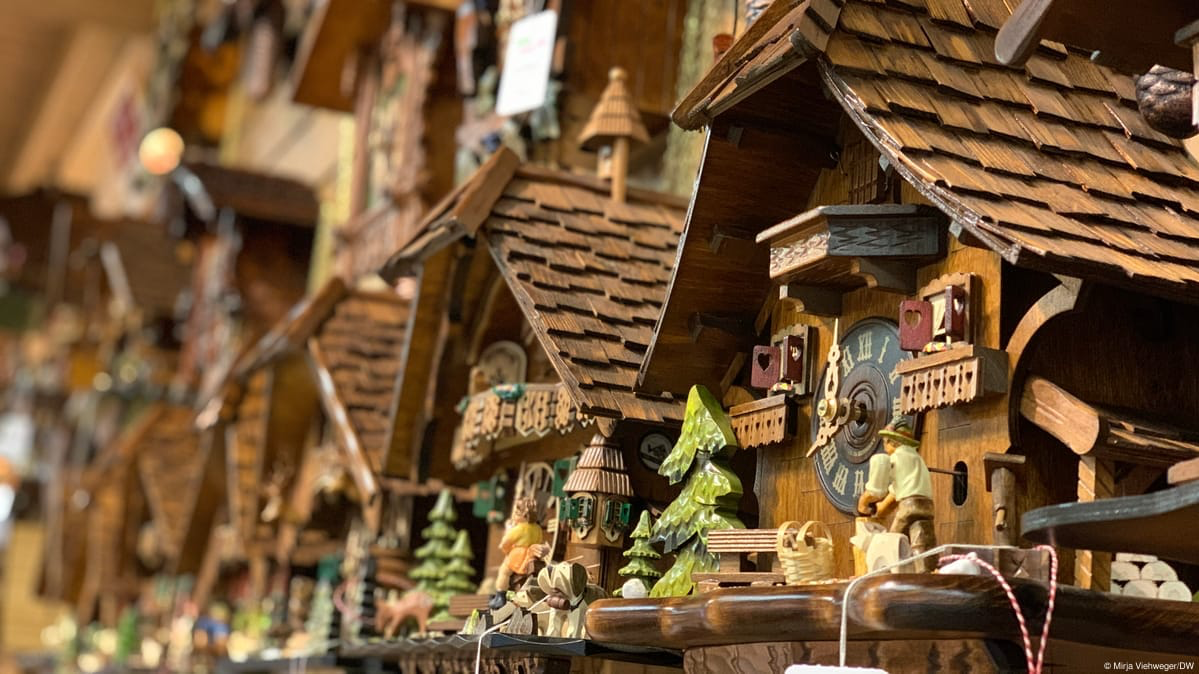
A sixth-generation Cuckoo clockmaker Thomas Weisser says that a cuckoo clock is not merely a product associated with the Black Forest region of Germany, but an integral part of its cultural identity.
P Krishna Kumar
India has emerged as the largest source market outside the European Union for visitors to Triberg, Germany, the heartland of the country’s cuckoo clock industry in the Black Forest region. The growing interest among Indian travellers in the region’s distinctive handmade clocks is bringing greater international attention to a craft that has been part of Black Forest life for more than 350 years.
“India is right now the number one market outside the EU,” said Thomas Weisser, CEO of Haus der 1000 Uhren (House of 1000 Clocks), in an interaction with TravelBiz Monitor during his recent visit to Delhi as part of the German National Tourist Office (GNTO) India roadshow. Weisser was accompanied by his daughter Sarah Weisser, who represents the seventh generation of the family associated with the cuckoo clock making..
Located in Triberg, Haus der 1000 Uhren (House of 1000 Clocks) is among the older family businesses specialising in cuckoo clocks. The Weisser family has been in the business since around 1820, and the company has continued through successive generations weathering many adversities.
Weisser emphasised that the cuckoo clock is not merely a product associated with the region, but an integral part of its cultural identity. The craft, which originated in the Black Forest around 350 years ago, has remained closely connected with the lives and traditions of the people there.
“Our family is part of the heritage. The Black Forest owns the heritage,” he said, explaining that several families across the region continue to be involved in the industry.
For visitors to Triberg, the attraction goes beyond purchasing a traditional clock. The company has developed an experience around the craft, allowing visitors to understand the process of making a cuckoo clock, from cleaning to carving. Its historical workshop offers a view of the hand-carving process, while the wider visitor experience also includes an introduction to Black Forest cake and retail outlets showcasing the finished products.
The experience is part of a wider tourism offering in Triberg, which receives around half a million visitors annually from approximately 60 countries. The town’s association with cuckoo clocks is a major draw, alongside its natural attractions, including the Triberg Waterfall, which is the tallest step waterfall in the country.
Describing the appeal of the product, Weisser said the scenery depicted on a cuckoo clock typically represents aspects of life in the Black Forest. Made using local wood and handcrafted techniques, each clock carries a strong association with the region’s traditions and identity.
“A cuckoo clock is a very authentic piece of Germany,” he said, adding that its appeal lies in its ability to retain its relevance over generations. Unlike electronic products that can become outdated within a few years as technology advances, a traditional cuckoo clock can remain a valued possession for a lifetime, Weisser said.
Talking about the evolution of the Cuckoo Clock industry in Germany, Weisser said that some of the world’s leading brands in clock-making today are borne out of Triberg and its Cuckoo Clock business.
Keeping the cuckoo clock relevant in changing times, particularly among younger consumers, remains an important challenge for the industry. Weisser said the company is exploring ways to bring innovation and tradition together without compromising the handcrafted character and distinctive exterior designs that define the product.
“We are working on concepts where we bring innovation and tradition together. The outside, the tradition and the handcrafted work need to be retained, but the mechanism inside can be upgraded to a more modern version to appeal to younger buyers,” he said, acknowledging that changing the exterior carvings and other artistic features is more challenging, given their strong association with the craft’s heritage.
Despite the pressures of changing markets and economic cycles, the industry has managed to endure. Weisser said the tourism business in the region was currently holding up, although geopolitical tensions and conflicts could affect travel sentiment and visitor movement.