

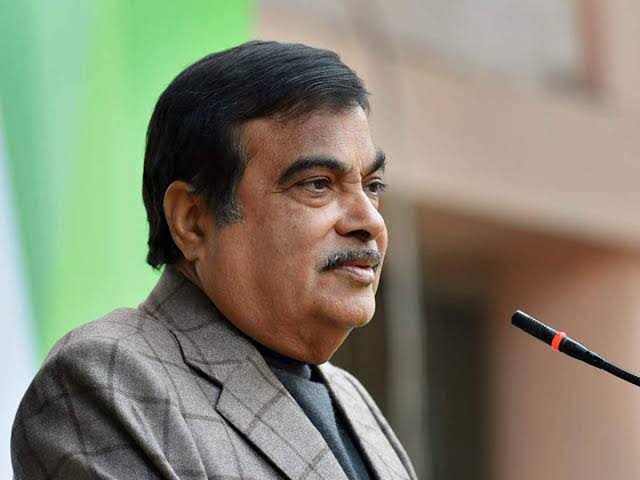
Union Minister Nitin Gadkari highlighted the implementation of barrier-free toll collection as part of a pilot project in Gharonda, Choryasi, Nemili, UER-II, and the Dwarka Expressway. The pilot includes a satellite-based toll system, previously reported by HT, and an Automatic Number Plate Recognition (ANPR) FASTag System. These initiatives aim to streamline toll collection and enhance efficiency on national highways.
Gadkari explained that transitioning to satellite-based tolling requires additional satellite constellations and specialised receivers to improve positional accuracy. In response to questions from lawmakers Dineshbhai Makwana and Dharambir Singh regarding toll fee transparency, he assured that the move towards this technology would be thoroughly deliberated. Meanwhile, toll rates continue to be governed by the National Highway-Fee Rules, 2008, with all revisions published online and in newspapers to ensure public awareness.
To enhance traffic management, Gadkari stated that the Advanced Traffic Management System (ATMS) has been installed on 325 national highway projects, covering approximately 20,000 km. He further noted that highways with four or more lanes are gradually being equipped with ATMS, improving road safety and efficiency. In response to Rajkumar Chahar’s inquiry, he reaffirmed the government’s commitment to modernising toll operations and enhancing highway infrastructure.
These technological advancements aim to create a more efficient and transparent tolling system in India. The shift towards ANPR-based FASTag and satellite tolling represents a step forward in reducing congestion and improving the driving experience for commuters. As the government continues its infrastructure modernisation efforts, such initiatives will play a crucial role in shaping India’s future highway network.