
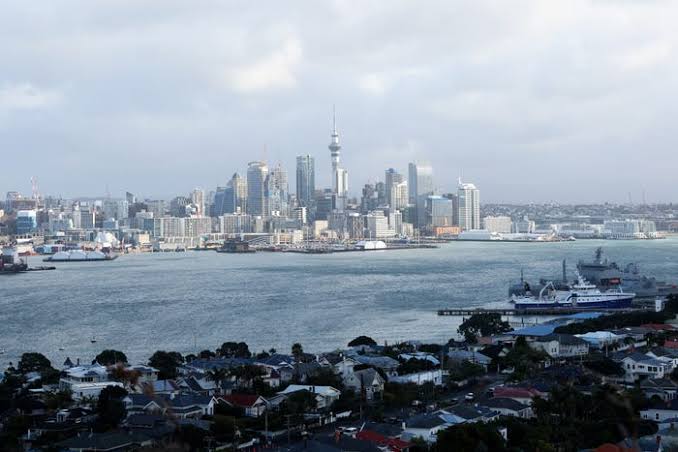
New Zealand is set to ease its long-standing restrictions on foreign property purchases, opening the door for wealthy investors to buy luxury homes worth at least USD 5 million (USD 3 million). This policy shift is aimed at boosting the nation’s sluggish economy and will apply to holders of the “golden visa” under the Active Investor Plus program. The move represents a significant change to the Overseas Investment Act, which has largely barred overseas buyers since 2018, and is expected to take effect by the end of the year.
Prime Minister Christopher Luxon explained that the decision is part of a broader strategy to attract high-net-worth individuals who can contribute economically and socially. He emphasised that New Zealand is competing with nearly 200 other countries for global investment and ideas, and loosening property restrictions is a way to strengthen its position. The golden visa program, relaunched earlier this year, offers residency in exchange for substantial investments.
Currently, only citizens, residents, and nationals from Australia and Singapore can freely purchase property in New Zealand. The original foreign buyer ban was introduced in 2017 by former Prime Minister Jacinda Ardern to curb speculation and protect affordability for first-time buyers. While the ban had symbolic value, foreign buyers accounted for only 2–3.5% of sales before it took effect.
Data from Immigration New Zealand shows 308 applications for the golden visa so far, covering 1,000 individuals and representing potential investments totaling USD 1.9 billion. About 40% of applicants are from the United States. However, the number of qualifying properties is small—only around 7,000 homes are valued above USD 5 million nationwide, and just 350 are typically sold each year, mostly in Auckland and Queenstown.
Experts believe the change could make New Zealand more appealing to wealthy migrants who had previously ruled it out due to property restrictions. Former minister Stuart Nash noted that allowing property purchases deepens investors’ connection to the country, increasing the likelihood of long-term economic contributions. Still, the actual effect on house prices is expected to be minimal given the small number of eligible homes.
Property analysts point out that the real constraints on New Zealand’s housing market stem from weak labor conditions and broader economic factors, rather than luxury property sales. House prices, after soaring during the pandemic, have since stagnated and declined for four consecutive months. As a result, while the policy change may draw attention from the global elite, its direct impact on most New Zealanders’ housing affordability is expected to be negligible.