
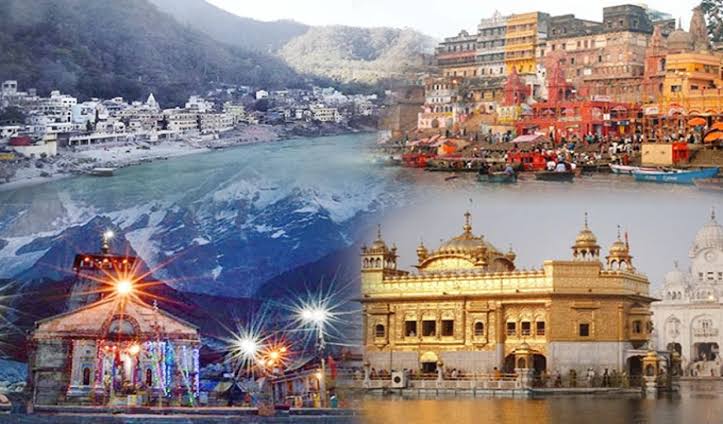
India’s tourism sector is witnessing a strong surge in pilgrimage travel, with accommodation bookings across 56 spiritual destinations rising by 19% in FY24-25, according to MakeMyTrip’s latest report. The trend highlights how religious journeys are becoming a major driver of travel demand, spreading beyond traditional hubs into newer destinations.
The report notes broad-based growth, with 34 destinations recording double-digit increases and 15 posting over 25% expansion. Established centres such as Varanasi, Ayodhya, Puri, Amritsar and Tirupati continue to attract large footfalls. Simultaneously, emerging locations like Khatushyam Ji in Rajasthan, Omkareshwar in Madhya Pradesh and Thiruchendur in Tamil Nadu are witnessing rapid growth, signalling a widening spiritual canvas.
Pilgrimage trips are increasingly characterised by short, purpose-led stays. Over half of the travellers (53%) opt for single-night visits, while only 5% extend their stay beyond four nights. Interestingly, more than 63% of bookings are made within six days of travel, underlining the last-minute planning habit typical of Indian travellers.
Group travel is another defining feature. Nearly 47% of pilgrimage trips are booked by families, friends or community groups, compared to 39% in leisure tourism. This collective nature underscores the deeply shared and cultural dimension of spiritual journeys, where religious visits are often seen as community experiences.
Accommodation supply has also expanded rapidly to meet rising demand. Over the past three years, more than one-third of all hotel rooms at pilgrimage centres have been added, along with a sharp increase in homestays and hostels. Premium stays are gaining traction too, with bookings above INR 7,000 per night rising by over 20% in FY24-25.
Interestingly, a growing number of travellers are combining spirituality with leisure. MakeMyTrip found that while 52% of holiday packages were booked exclusively for pilgrimage, nearly 48% blended spiritual destinations with cultural or recreational stops. This dual demand is prompting the industry to innovate, positioning pilgrimage not just as faith-based travel but also as a holistic cultural tourism experience.