
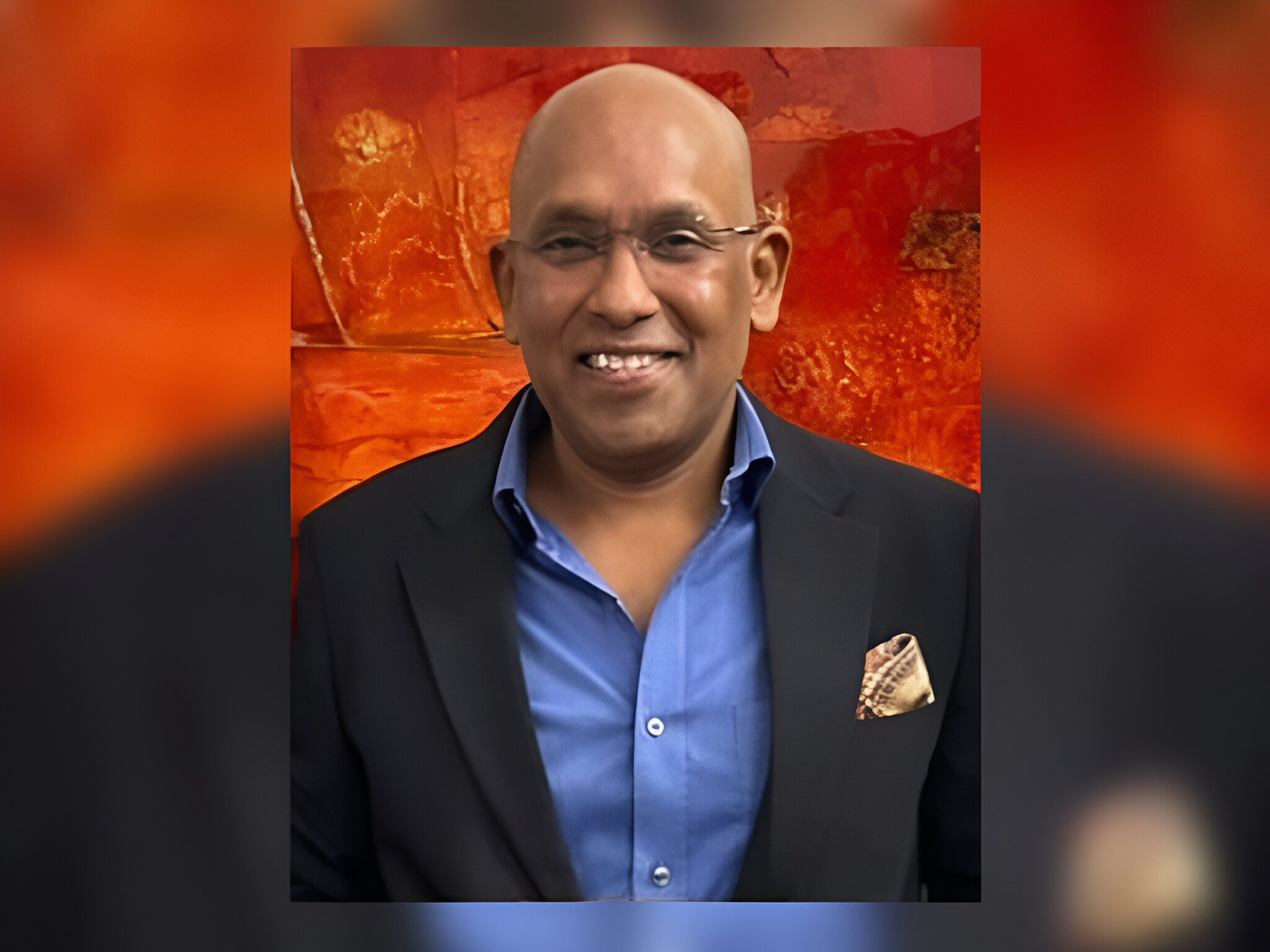
By Dr Nimit Chowdhary, Professor and Head (Tourism), Faculty of Management Studies, Jamia Millia Islamia
If you stroll through the bustling lanes of Delhi’s Chandni Chowk or Jaipur’s Johari Bazaar with an experienced tourist guide, you may notice something curious. As you approach a shop, the guide leans towards the shopkeeper and drops a single word — “Chokhad.” Suddenly, the shopkeeper’s smile brightens, tea appears almost instantly, and the sales pitch turns into a performance. This is no random word; it’s a quiet signal. Chokhad means the tourist is a generous spender, good at tipping, and worth pulling out the finest carpets, both literal and metaphorical.
A few shops later, you might hear “Patiyya.” This is the code for a measured buyer — someone who will spend, but only with good reason. The salesman will be polite, but the flattery will be rationed. And then there’s “Churan.” That word floats across like a warning flag: don’t waste too much energy, this one’s just browsing.
These whispered classifications are part of the secret language of guides in India’s Golden Triangle — Delhi, Agra, and Jaipur — where tourism is as much about human psychology as it is about monuments. It’s Goffman’s dramaturgical theory in action: the “frontstage” is charm and warmth, the “backstage” is all about cues, codes, and calibrated effort.
Nicknames as cultural mirrors
Nicknames for tourists aren’t unique to India, but here they come with regional flavour. They’re a cultural lens revealing how locals perceive, categorise, and sometimes gently poke fun at visitors. If you want to know what a place really feels about its guests, don’t just look at the welcome boards — listen to the nicknames.
India doesn’t have a single “gringo” or “gaijin” that covers everyone. Instead, we have a patchwork of local tags. In Goa, it’s firang or bhailo. In Rajasthan, angrez or pardesi or gora. In Kerala, the respectful yathrikan still thrives, while in the Northeast, colonial echoes linger in memsahib and sahib. Hill stations add their own twists — Punjabi tourist or Bengali babu — shorthand for predictable seasonal migration patterns.
Where the names come from
Some nicknames grow out of history. In the Goa of the 1970s, waves of budget European travellers stayed for months, living on cheap fish curry and rice. Locals called them “Porridge tourists” or “Fish curry tourists” — a bit mocking, but not without fondness.
Others come straight from economics. Dollar-wala in Jaipur or Agra means a walking wallet — a symbol of opportunity. There are cultural markers too: Mayang in Assam, Delhiwala in Himachal. Not insults exactly, but reminders of difference — you’re from outside, and you bring your own ways.
And some labels are pure behaviour profiling. Delhiwala can mean a pushy bargainer. Fish curry tourist signals a sunburnt long-stayer in frayed shorts. The place you come from matters less than the way you act.
The spectrum of perceptions
Local perceptions of tourists in India aren’t black and white — they’re a full spectrum.
Positive: In pilgrimage towns, yatri is uttered with reverence. In rural villages, a foreign visitor might be the talk of the place for weeks, the subject of proud retellings.
Neutral to mildly sceptical: In popular hill stations during peak season, the goodwill can be thinned by traffic jams, water shortages, and litter. Locals smile and serve, but in private they’re ready for the quiet of off-season.
Negative (in pockets): In parts of Goa, Leh, and Manali, “tourist” can be shorthand for inflated rents, noisy nights, and streets turned into Instagram stages. The sigh comes with the word.
The dance of hospitality and reality
India’s deep-rooted hospitality ethic — atithi devo bhava (the guest is God) — often ensures that direct interactions are polite and warm. But backstage, the practical realities play out. A guide may say “tourist-saab” to your face, and “Chokhad” or “Churan” behind your back, without contradiction. This isn’t hypocrisy. It’s choreography — the delicate dance between welcome and self-preservation.
Even the same term can be flexible. Delhiwala in a Himachali tea stall might be a gentle joke; in a crowded bus line, it could be an exasperated mutter. The nuance depends on tone, context, and relationship.
Placing you in the story
Somewhere in Manali, Tsering sets a chai before a table of city visitors. “When will the snow come?” they ask. He smiles, “Soon, Delhiwala, soon.” The word lands softly — not as an insult, but as the local way of placing them in the ongoing story of the town: the dance between the hosts and the ever-arriving guests.
“Every nickname is a footnote to the bigger story — the one where a place remembers you long after you’ve left, in the words it keeps for you.”
About the Author: Dr. Nimit Chowdhary, a distinguished Professor and Head of the Department of Tourism and Hospitality Management at Jamia Millia Islamia, New Delhi, brings over 30 years of teaching expertise to the table. With 18 years as a professor across India, China, and Mexico, Dr. Chowdhary has also enriched minds as a visiting faculty at renowned institutions including the University of Gotland (Sweden), Girona University (Spain), IIM Sirmaur, IIQM, and EDII. Celebrated for his academic excellence, he has penned 30 books and over 300 scholarly papers, articles, and chapters, and has guided 23 PhD candidates. A globetrotter who has explored more than 40 countries, Dr. Chowdhary is a recognized authority in the field of tourism.