

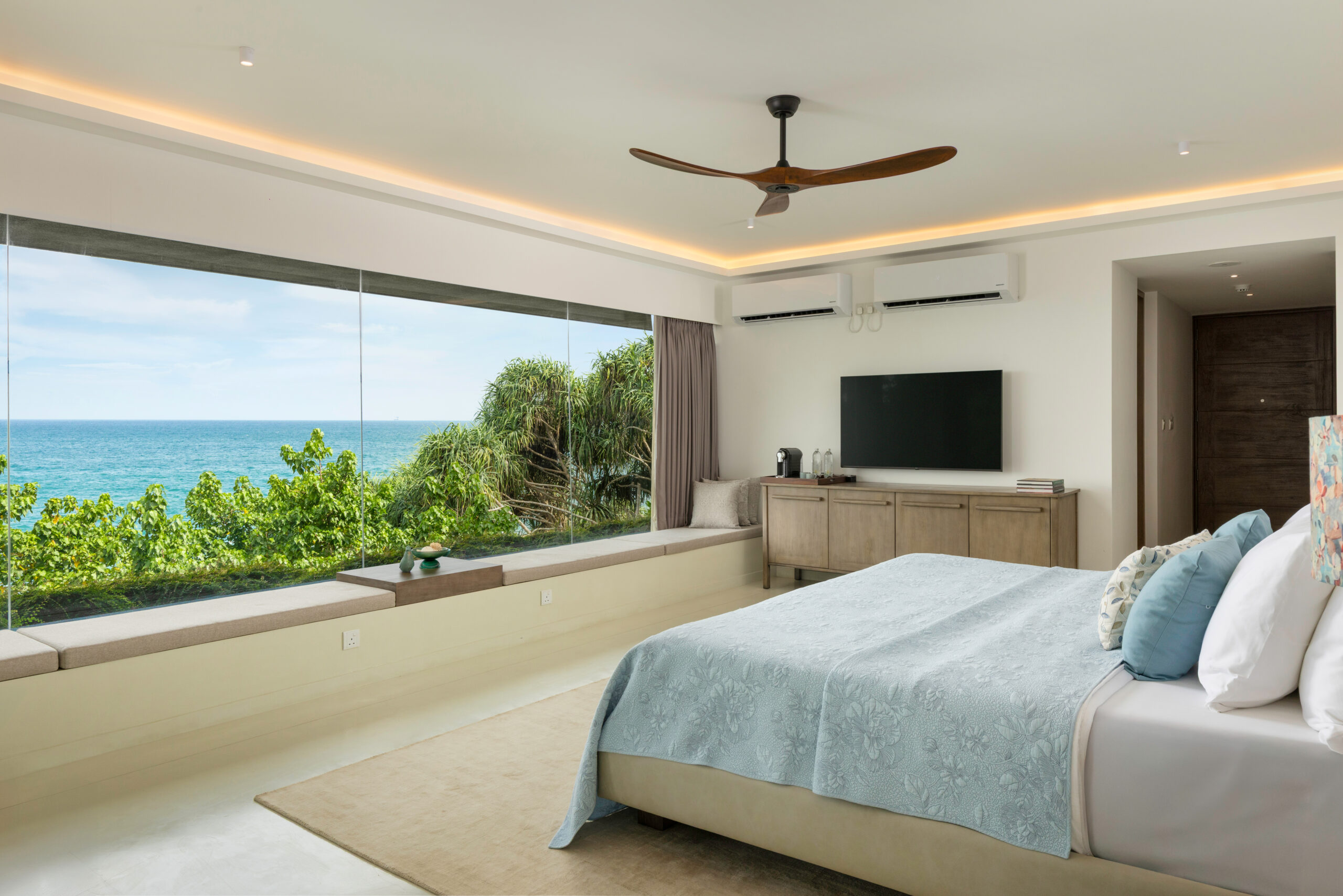
Marcelline Paul, Executive Vice President, UGA Resorts, Sri Lanka in an interaction with TravelBiz Monitor, explains how the boutique luxury chain is positioning itself as India’s preferred gateway to authentic Sri Lankan culture, wildlife, tea country and beaches. With Indian travellers steadily moving beyond Colombo and seeking intimate, experience-rich stays, Paul highlights UGA’s exceptional land-to-room ratio, personalised experiences and affordability that outshine competing destinations.
 UGA Resorts, one of Sri Lanka’s most distinctive boutique luxury hospitality brands, is strengthening its presence in India as the country becomes Sri Lanka’s top feeder market post- pandemic. “India has gone from contributing about 3% of our business to nearly 6% within a
year,” said Marcelline Paul, Executive Vice President, UGA Resorts. “We still have a long way to go, but the growth has been very positive, and Indian travellers are increasingly looking for more than just short-haul Colombo breaks.”
Founded in 2010 by Priyanjit Weerasooria and family—who Paul describes as “accidental hotelier”—UGA Resorts has evolved into a collection of exclusive properties set across Sri Lanka’s most compelling landscape. While Sri Lanka over the years has seen the advent of
many international hotel chains, what sets the UGA Resorts apart is its authentic Sri Lankan experiences, which are quite exclusive and off the beaten track.
“Our land to room ratio is one acre per room,” explained Paul to stress on the exclusivity and privacy that guests can expect at UGA properties. “We believe in preserving nature. For us, it’s not about how many rooms we can fit onto a piece of land. Guests come to escape noise, fumes, and crowds. Privacy and exclusivity are at the heart of the UGA experience,” Paul said.
He emphasised that UGA’s identity is deeply rooted in authentic Sri Lankan sensibilities—from design and architecture to hyper-local cuisine and off-the-beaten-path experiences. “With international brands, you may feel like you are in Thailand or some generic beach destination. With us, you know you are in Sri Lanka,” Paul noted. UGA’s culinary approach prioritises authentic flavours or fusion Sri Lankan dishes curated to match each region.
UGA’s diverse portfolio ensures travellers experience the entirety of Sri Lanka’s charm—culture, wildlife, tea plantations and beaches—all within a single itinerary.
UGA’s flagship property is UGA Ulagalla in the cultural triangle of Sri Lanka at Anuradhapura. Spread in 60 acres of land with 25 exclusive villas with private pools, the property offers experiences like horse-riding, kayaking, cycling, immersive farm dining. “It’s a destination within a destination with UNESCO heritage sites around. The property is quite popular with Indian travellers,” Paul said.
Similarly, UGA Chena Huts at Yala National Park offers 18 private cabins of 1,600 sqft each all with private pools. The safari lodge, home to one of the world’s highest leopard densities, overlooks the ocean and provides exclusive naturalist-guided wildlife experiences to discerning wildlife enthusiasts.
UGA Riva is a hi–end private retreat with 7 suites housed in a 5-acre coconut estate in Negombo, close to the international airport. “It’s a unique entry point for boutique travel. UGA Riva is our version of an airport hotel,” Paul said.
Another jewel on Uga’s cap is UGA Halloowella, a heritage colonial bungalow nestled on the hills overlooking the Castlereagh reservoir. Opened in last January, this 1880 colonial bungalow was restored to the erstwhile colonial charm by the company to offer a wholesome
tea country experience, like kayaking in the reservoir, hiking trails, and tea-factory experiences.
UGA Prava, opened in July this year is a new luxury hospitality address on the South Coast, Tangalle. A seven-suite luxury beach house is designed for multi-generational groups, complete buyouts and long, indulgent stays. “It has the infrastructure of a 20-room hotel, but
with only seven suites. The Olympic lap size infinity pool right on the beach is the highlight with suites both below and above the pool,” Paul informed. The property has already become very popular with Indian families, Paul said.
The group will be opening another hi-end resort in Uga Ghiri in Ella which is known for the nine arch bridges in June next year. The property will add another aspect to the tea plantation experiences with its luxury independent villas and other premium facilities in a working tea estate.
Indian travellers, he noted, are exploring deeper beyond Colombo, choosing Galle, the deep south and experiential regions. “Earlier, Indians would stop at Bentota. Now they want Galle and beyond—more independent restaurants, better beaches, more immersive experiences,” Paul said. While tea country and safaris already attract strong Indian interest, Paul believes the cultural triangle still has untapped potential among Indian travellers.
UGA’s ability to cater to multiple segments—FITs, families, YPO/EO groups, multi-generation celebrations—stems from its boutique size and experience-driven programming. “We accept children of all ages. Kids today are more adventurous, so junior ranger programs and outdoor activities fit perfectly,” Paul added. Buyouts are increasingly common, especially in smaller properties like UGA Prava and UGA Riva.
On affordability, Paul insists, Sri Lanka is still an exceptional value for money destination and products compared to counterparts in the region like Maldives or in Africa. “Sri Lanka is very affordable luxury. Our Chena Huts, among the most expensive in the country, is around USD 2,000–2,500 in high season—all inclusive. In Africa, the same would be USD 2,500 per person. So Sri Lanka offers unmatched value.”
With India emerging as Sri Lanka’s strongest tourism market, UGA is ramping up trade engagement with curated events in Delhi, Mumbai, Chennai, Bengaluru and Hyderabad. “It’s not a numbers game for us. We just want the right clients,” Paul said. “UGA can be the perfect partner for Indians who now want to see Sri Lanka beyond Colombo—authentic, natural, private and genuinely Sri Lankan.”