

In a determined bid to boost tourist footfalls and ensure full occupancy during the monsoon season, key players in Goa’s tourism ecosystem convened in Panaji this week to chart a cohesive strategy.
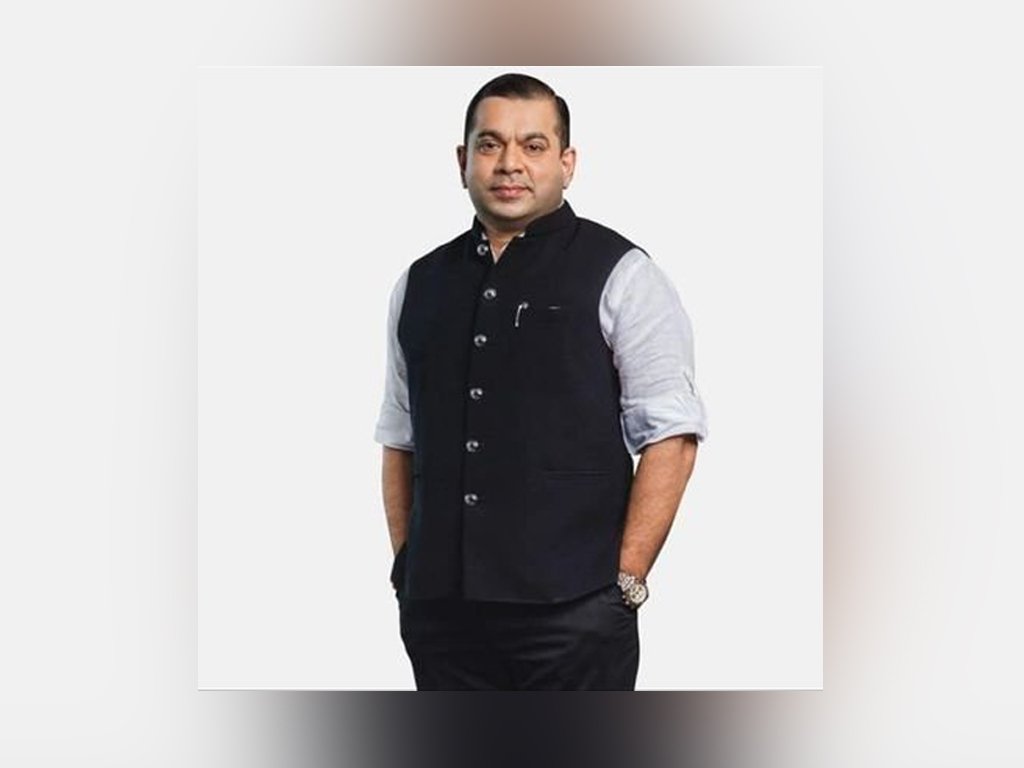
Spearheaded by Goa’s Tourism Minister Rohan Khaunte, the high-level meeting brought together representatives of the Travel and Tourism Association of Goa (TTAG), hoteliers, and airline stakeholders to craft an aggressive marketing and experience-driven roadmap aimed at promoting Goa during its traditionally quieter months.
With international destinations such as Vietnam, Indonesia, and Sri Lanka ramping up their tourism campaigns, the urgency to reposition Goa as an all-season destination has never been more pronounced. Minister Khaunte acknowledged this global competition, stating that the coastal state must now focus on offering unique experiences that go beyond its famed beaches.
The monsoon months, stretching from June to October, are typically off-peak for Goa’s tourism sector. However, Khaunte and his team are working towards turning this around by highlighting the unique charm and cultural vibrancy of the Goan monsoon. “Goa has a strong lineup of festivals during this time — from Sao Joao and Chikhal Kalo to Bonderam. These are not just events; they are deep-rooted cultural expressions that can become major tourism draws if promoted well,” he said.
In addition to festivals, the state also boasts scenic trekking trails, verdant hinterlands, and cascading waterfalls — all of which come alive during the rains. Khaunte emphasised that these aspects must be at the core of Goa’s monsoon tourism narrative. “This is about giving tourists a reason to stay longer, explore more, and engage with Goa in a different light,” he said.
While Goa recorded a 10% increase in tourist arrivals during the first quarter of 2025 compared to the same period last year, the momentum saw a sharp decline in April. Minister Khaunte attributed this to the ripple effect of the recent Pahalgam terror attack in Jammu & Kashmir, which created a sense of apprehension among domestic travellers. “May also saw significant cancellations,” he noted, underscoring the need for Goa’s tourism industry to quickly recalibrate and shift its promotional focus to the monsoon season.
Central to the strategy is the domestic middle and upper-middle-class traveller — a segment that continues to be a significant contributor to Goa’s tourism revenues. “These are high-spending tourists who are now exploring new experiences. We need to curate packages that appeal to their sensibilities — wellness, culture, nature, and cuisine,” Khaunte explained. He added that the strategy for room sales and experience promotion between June and October would have to be both competitive and compelling.
The Minister also pointed out the importance of ensuring that packages are attractive not just in terms of pricing but also in value. “Our efforts must encourage travellers to extend their stay. A longer stay translates into greater revenue for all tourism stakeholders — from hotels and restaurants to local artisans and adventure operators,” he said.
One of the key takeaways from the meeting was the consensus among stakeholders on the need for a unified marketing and promotion plan. Airline representatives and hoteliers have expressed commitment to working together in curating integrated packages that make Goa an irresistible proposition during the rains.
“There is a clear willingness to collaborate. Airlines are open to offering bundled deals, while hoteliers are ready to introduce monsoon-specific experiences,” shared a senior member of TTAG. Such efforts could include discounts on extended stays, guided treks, spa retreats, culinary trails, and festival-based experiences.
Beyond the domestic market, the state also has its sights set on international travellers, especially from the UAE and the broader Middle East. “We need to be present in key feeder markets with the right messaging. Goa during the monsoon is lush, tranquil, and soulful — qualities that appeal to international tourists seeking a different kind of vacation,” said Khaunte.
As Goa prepares to weather another monsoon, this time with a recharged vision, the path forward is one of unity and innovation. The coming weeks will be crucial as the government and private players work on finalising packages and promotional campaigns aimed at reshaping the perception of Goa as a monsoon destination.