

India’s domestic aviation sector recorded a 4.8% decline in passenger traffic during July, with airlines carrying 1.20 crore passengers compared to the same period last year. The monthly dip reflects short-term volatility within the sector, even as broader industry indicators point to a more stable longer-term trend.
Despite the decline recorded in July, the sector’s cumulative performance for the year remained positive overall. This suggests that while individual months may see fluctuations, the underlying demand for domestic air travel has continued to hold up reasonably well across the broader January-July period.
Passengers carried by domestic airlines during January-July 2026 rose to 984.03 lakh, compared to 977.79 lakh during the same period last year. This represents modest annual growth of 0.64%, indicating that the sector has managed to expand slightly year-on-year despite facing headwinds during certain months.
The modest year-to-date expansion reflects continuing challenges within India’s aviation market, including elevated operational costs and fluctuating demand patterns. These factors have made consistent month-on-month growth difficult to sustain, even as the overall trajectory for the year remains in positive territory.
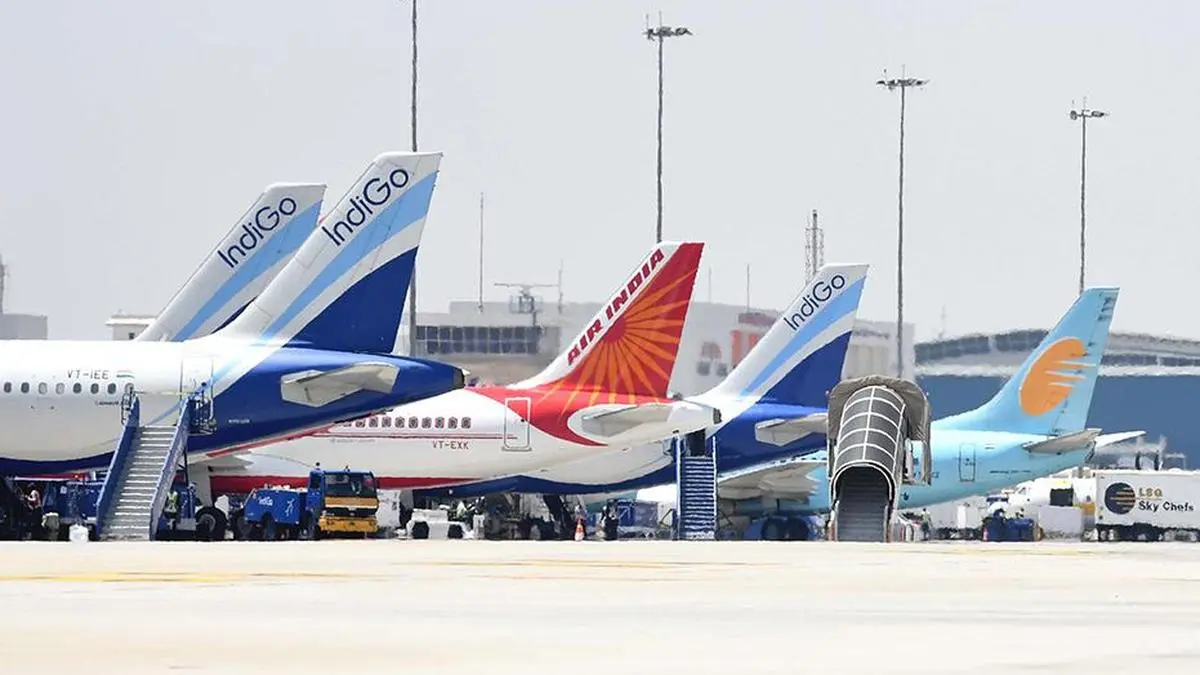
IndiGo retained its dominant position in the domestic market during this period, holding a commanding 67.4% market share and carrying 80.8 lakh passengers. This reinforces IndiGo’s continued leadership in India’s highly competitive domestic aviation landscape, with the carrier maintaining a significant lead over other players in the market.
The broader trends highlighted by this data point to an aviation sector that remains resilient overall, even as it navigates short-term passenger fluctuations, cost pressures and shifting travel demand patterns throughout 2026.