

Indian carriers faced significant challenges during the April-June quarter, as the US-Iran war and prolonged Pakistani airspace restrictions compounded difficulties for airlines, according to Directorate General of Civil Aviation (DGCA) data released Thursday, as reported by the Times of India.
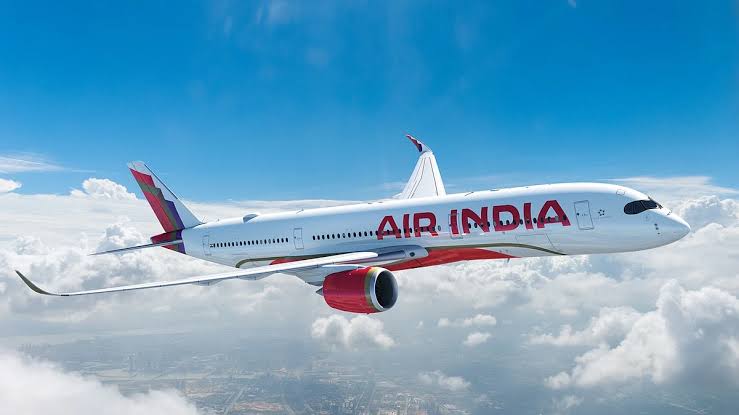
The Air India Group, comprising Air India and Air India Express, carried 27.6 lakh international passengers to and from India during the first full April-June quarter since the conflict began on February 28—a sharp decline from 43.3 lakh in the same period last year. Indian airlines bore the brunt of the disruption, with international passenger carriage by domestic carriers falling 26% during the quarter, while foreign airlines saw their India traffic rise by 7% over the same period.
Air India’s international operations have faced additional pressure since the June 2025 crash near Ahmedabad, which prompted the airline to cut overseas flights. The impact of the US-Iran conflict has further compounded challenges stemming from Pakistan’s closure of its airspace to Indian carriers, a restriction that has remained in place since April last year. These airspace restrictions have particularly affected flights connecting northern India—where Delhi serves as a major hub for both Air India and IndiGo—with western destinations.
Overall, the total number of passengers travelling internationally to and from India fell 10.5% during the April-June quarter, dropping to approximately 1.7 crore from 1.9 crore a year earlier, according to DGCA data. IndiGo’s international passenger carriage also declined 15%, falling to 33.4 lakh from 39.5 lakh in the same period last year.
In contrast, foreign airlines were able to benefit from the disruption and additional capacity created as the conflict curtailed West Asia operations for several carriers. Dubai-based Emirates saw its India passenger carriage rise 7% to 14.8 lakh, up from 13.8 lakh a year earlier, while Abu Dhabi-based Etihad’s traffic remained largely stable at around 8.5 lakh. Several Western carriers also expanded their India operations, benefiting from fewer constraints related to Pakistani airspace restrictions. Lufthansa carried 3.7 lakh passengers to and from India during the quarter, up from 3.5 lakh the previous year, while British Airways carried more than 2.9 lakh passengers, a slight decline from approximately 3.1 lakh in the year-ago period.
The prolonged closure of Pakistani airspace has emerged as an additional burden for Indian carriers, forcing them to adopt longer flight routes that affect both the economics and scheduling of international operations. An industry representative noted that Pakistani airspace has now remained closed for 14 months, with reciprocal restrictions also in place, emphasizing that a diplomatic resolution is needed, as the current situation cannot continue indefinitely to the detriment of Indian carriers.