
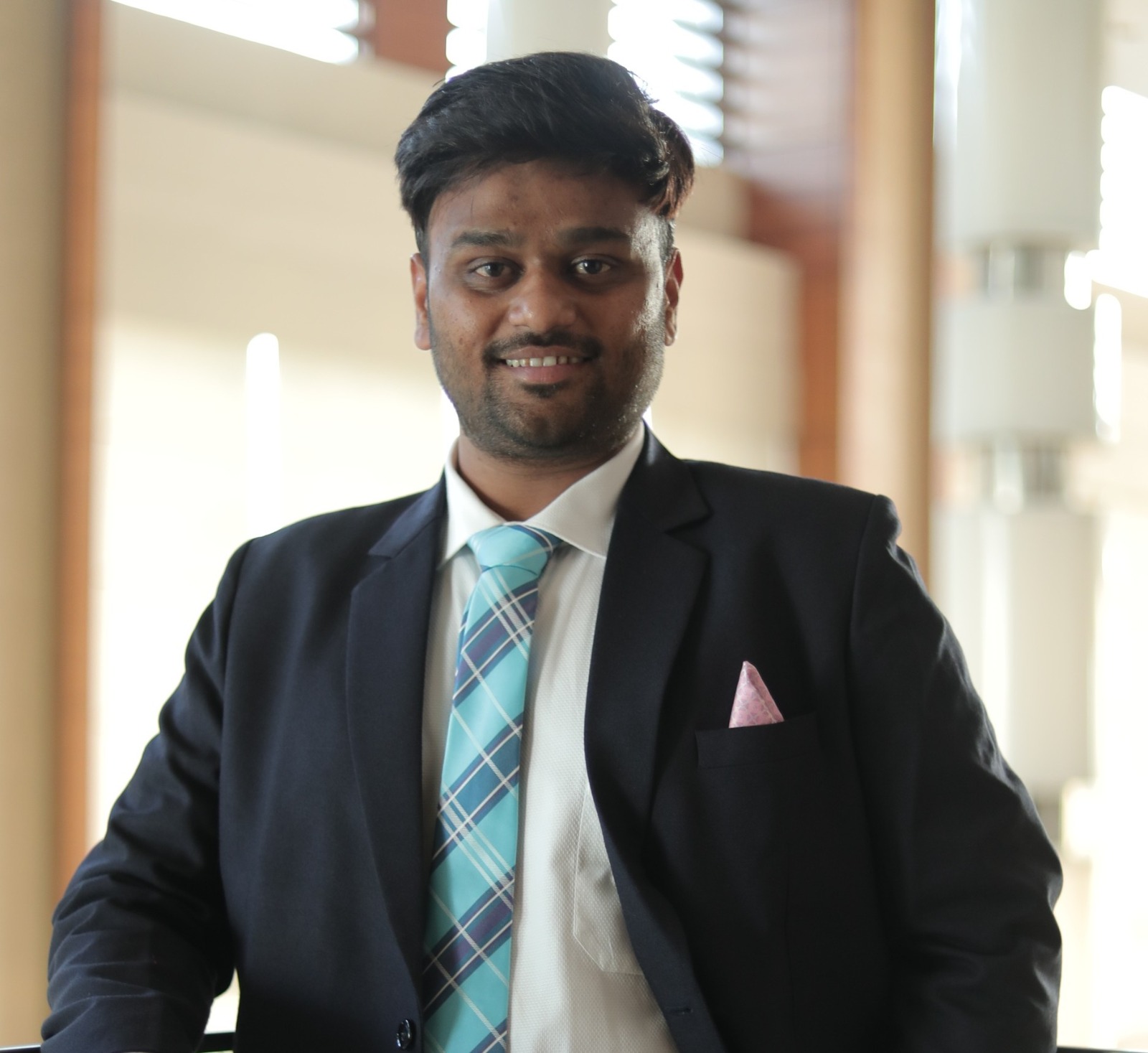
As Evoke Experiences is all set to host another annual edition of Rann Utsav as a hospitality partner for Gujarat Tourism, and also partnering with different state governments and state tourism boards like Meghalaya, Odisha, Madhya Pradesh, etc., to create similar models, Bhavik Sheth, Chief Operating Officer of the company said that the focus of the company has always been to work with governments to transform destinations with tourism potential quickly with minimal impact to the environment and unlock the tourism economy of the place.
Terming annual Rann Utsav at Kutch as a successful destination development showcase model, which has become a calendar event not just for Gujarat tourism but for brand Incredible India over the years, Sheth said that the model is built around bringing visitors to a place and connecting them with its local culture, food, handicrafts and communities. Local procurement, employment for artisans and village experiences are therefore part of the destination proposition rather than add-ons.
“It is an inclusive and sustainable approach for destination development,” Sheth said, adding that the objective has been to drive the benefits of tourism into the remote corners by creating temporary infrastructure for visitors to stay, explore and experience the destination.
In an interaction with TravelBiz Monitor, Sheth also shared some of the facilities aimed at uplifting the visitor experiences this year. For the first time, the company will be introducing close to 70-odd semi–permanent, high-end tents at Dhordo, over and above the conventional tents.
Evoke Experiences will be operating close to 500 tents during this year’s Rann Utsav. This will include 44-room Evoke Resort at Dholavira. In addition to this, the company will be setting up a glamping site with 66 tents at Dholavira, closer to the existing Resort.
Sharing the experiential part of the offerings, Sheth said that the company was creating an interactive excavation zone, especially to give a feel of the place and the archaeological excavations that have taken place in and around Dholavira.
Taking into account the changing expectations of visitors and demand for more experiential holidays, Sheth said, “Our duty is that we are doing something new every year to keep them engaged.”
While comfortable stay is an important element of the overall destination experience, Sheth said that there will be musical evenings, handicraft and culinary workshops, exhibitions, standup shows, etc. at key nodes of the tent city throughout the day.
Beyond Kutch, the company is now taking a similar approach to Meghalaya, where it is working with the state tourism board on three destinations — Umiam, Jongksha and Sakaladuma in Garo Hills — with glamping sites planned as part of an integrated destination development programme.
The objective in Meghalaya is also to increase the number of nights visitors spend in the state, where Sheth said the typical North-East itinerary often ends in two or three nights.
The company is also returning to Odisha this year to operate four Eco Retreat sites, including the flagship location at Konark. In Madhya Pradesh, it is working with MP Tourism on seasonal glamping sites at Kuno National Park and Gandhi Sagar. In Gujarat, its portfolio includes the Statue of Unity and the upcoming Sasangir property, while a 20-room experiential site at Nadabet on the India-Pakistan border is planned to open around Diwali this year.
Sheth said the model also fits changing traveller preferences. Visitors increasingly want to step away from the built environment and experience nature, local food, village life, storytelling and interaction with local communities.
When asked about future plans and strategies, Sheth said that they would continue to focus on tourism and destination development which is least real-estate oriented, leaving no major footprint on nature and destination, but at the same time inclusive in terms of driving benefits to the local economy by creating livelihood opportunities for people at large.
India still has many places with tourism potential where infrastructure remains a constraint, he said. “We can bring our experience of more than 100 years in respect of setting up the tents and the temporary infrastructure,” Sheth said, reminding the legacy of its parent company, Lallooji & Sons.