

Bengaluru’s ambitions to strengthen its position in the global meetings, incentives, conferences and exhibitions (MICE) market are increasingly being driven by its technology-led economy, expanding convention infrastructure and growing corporate ecosystem rather than by competing directly with traditional convention hubs.
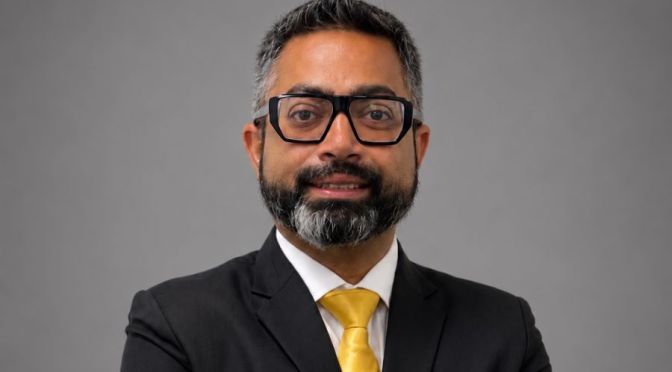
According to Abhiram Menon, Cluster General Manager at Hilton and Hilton Garden Inn Bengaluru Outer Ring Road Embassy TechVillage, the city’s competitive advantage lies in hosting business events linked to industries where it already has global relevance.
“Bengaluru’s strength isn’t in competing head-on with destinations like Singapore or Dubai for mega conventions—it lies in hosting high-value business events that are closely aligned with the industries based here,” said Menon. He noted that the city’s concentration of Global Capability Centres (GCCs), multinational corporations, research hubs, aerospace and defence companies, and start-ups provides organisers access to innovation, decision-makers and specialised talent.
The city is also expected to benefit from new convention infrastructure, supported by an expanding inventory of branded hotels and improved connectivity. Menon believes that the upcoming convention centre, together with integrated hotel capacity, will enable Bengaluru to host larger international conferences while offering delegates the convenience of accommodation and event facilities within the same precinct.
However, he cautioned that infrastructure gaps remain. “Urban mobility remains one of Bengaluru’s biggest challenges, particularly for business travellers with packed schedules. As infrastructure continues to evolve, stronger integration between airports, Metro connectivity, business districts and hotels will further strengthen the city’s competitiveness,” he said.
On inbound demand, Menon identified the United States as Bengaluru’s strongest corporate travel source market, supported by long-standing technology partnerships. Europe continues to contribute significantly through engineering, consulting, manufacturing and aerospace sectors, while the Middle East and Southeast Asia are witnessing steady growth.
He expects Southeast Asia to emerge as a key growth market as technology companies deepen investments across the region while expanding their India operations. “This creates strong opportunities for cross-border meetings, leadership summits, partner events and technology-focused conferences in Bengaluru,” he said.
Menon also observed changing expectations among corporate travellers. “Today, success is measured less by the scale of an event and more by how efficiently people can move through their day. Travelers want shorter commutes, seamless connectivity, flexible meeting spaces and hotels that anticipate their needs rather than simply respond to them,” he said.
Looking ahead, he expects the city’s MICE pipeline to be shaped by sectors such as artificial intelligence, digital innovation, aerospace, biotechnology and healthcare. Bengaluru’s strong medical ecosystem, coupled with improving convention infrastructure, could also help attract more international medical congresses and academic conferences.
Another emerging trend is the shift from large annual gatherings to smaller, more frequent corporate meetings. Organisations are increasingly opting for regional leadership meetings and client engagements throughout the year, creating demand for flexible event spaces and technology-enabled hospitality. Menon also pointed to the continued rise of “bleisure” travel, with international delegates extending business trips for leisure, prompting hotels to place greater emphasis on wellness, dining and guest experience alongside business facilities.

Shreya Bansal is a reporter at TravTalk India, covering the travel and tourism industry. She brings a keen eye for emerging trends, trade developments, and the stories shaping the travel landscape. Through in-depth reporting and on-ground insights, she connects industry stakeholders with news that matters. Beyond travel, Shreya has a growing interest in the premium lifestyle space, particularly the world of fine jewellery and is eager to explore the craftsmanship, culture, and commerce that define luxury living.