

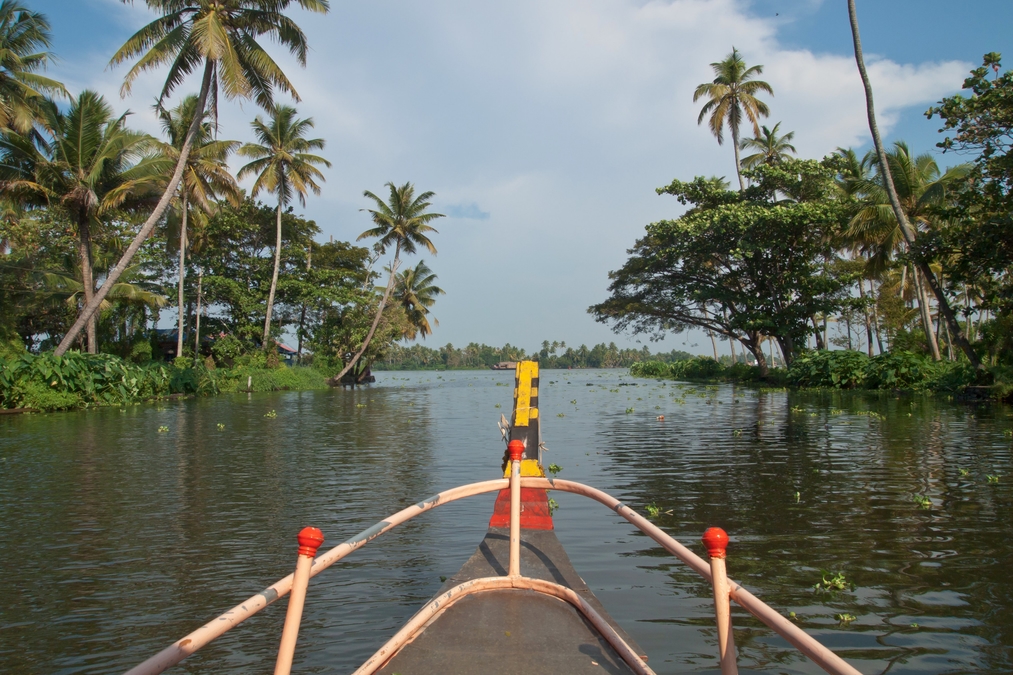
While iconic destinations like Jaipur and the backwaters of Kerala will always draw significant tourist numbers, the future of tourism in India increasingly lies in less-developed regions where traditions and cultures remain well-preserved. As travel trends shift and tourists begin moving away from conventional hotspots, a wide range of possibilities is emerging for smaller, lesser-known destinations across the country. Modern travellers, unlike those of earlier generations, are increasingly drawn to experiential tourism, opening up new opportunities for regions previously overlooked by mainstream travel routes.
Infrastructure is finally improving
One of the biggest historical barriers to tourism growth in smaller towns has been accessibility. That situation is now changing, with better highways, expanded rail networks, improved regional connectivity, and advances in digital navigation making previously overlooked destinations more accessible to travellers. Various government initiatives supporting domestic tourism, heritage conservation and regional connectivity have further encouraged people to explore beyond traditional tourist circuits.
The rise of digital payment technologies has also significantly boosted travel in smaller towns. Cashless payment options with local businesses and the growth of online booking platforms have allowed many small, family-run hospitality businesses to reach customers nationwide, making the overall travel experience considerably more convenient.
The effect on local economies
Unlike tourism in major cities, the economic impact of tourism in smaller towns tends to be more evenly distributed. Tourist spending benefits not just large hotels but also local farmers, craftspeople, restaurants, tour guides and transportation providers. This kind of economic activity helps communities preserve their traditions by creating local employment opportunities, reducing the need for residents to migrate to cities for work. As a result, tourism plays a meaningful role in sustaining local handicrafts and culinary traditions.
Popular tourist destinations across India have increasingly faced challenges such as overcrowding, rising litter, environmental degradation and strain on local infrastructure. By redistributing visitor flow toward emerging destinations, local communities can help ease pressure on well-known hotspots while supporting tourism development in previously underexplored areas. Travellers, in turn, benefit from quieter, more affordable and culturally immersive experiences, free from long queues, while also supporting more responsible tourism practices. This kind of decentralisation offers mutual benefits for both visitors and local communities.
Technology’s role in developing underexplored destinations
While social media has the power to turn remote locations into overnight sensations, viral attention alone does not guarantee long-term sustainability. Tools such as digital storytelling, virtual heritage tours, AI-based travel recommendations, multilingual guides and collaboration with local creatives can help introduce small towns to wider audiences while preserving their authenticity. For such infrastructure development to succeed sustainably, it must be paired with deliberate efforts around heritage preservation, waste management from tourism activity, environmental protection standards, and local skill development—ensuring growth does not come at the cost of the very character that makes these destinations appealing.