
Cherai is seeking to carve out a distinct niche in Kerala’s tourism map by positioning itself not merely as a beach destination, but as a convenient base to explore the history, heritage, culture and living traditions of the wider Muziris Heritage.
The destination’s collective tourism body, Cherai Beach Hotels and Resorts Development Forum (Cherai Tourism), formed in 2010 as a non-profit organisation, is bringing together hotels, resorts, homestays, local communities and experience providers to promote Cherai as a destination in its own right.
 According to Founder President Vinoj MV, Cherai’s biggest strength is its unusual combination of sea, lake, rivers, canals, estuaries and paddy fields, besides its proximity to a rich concentration of heritage sites associated with Muziris.
“Cherai is like mini Kerala,” Vinoj said, pointing to the variety of experiences available within a relatively compact geographical area.
Cherai Tourism has developed around 30 tourism packages covering village life, fishing, food, farming, art, culture, heritage and the local environment. The idea, he said, is to encourage visitors to stay longer while ensuring that tourism spending reaches local communities.
“It’s like spend-a-day with an artist/environmentalist/farmer/local chef, etc” he said, describing experiences that allow visitors to interact with mural artists, dancers, farmers, environmentalists, fashion designers and local families involved in traditional cooking.
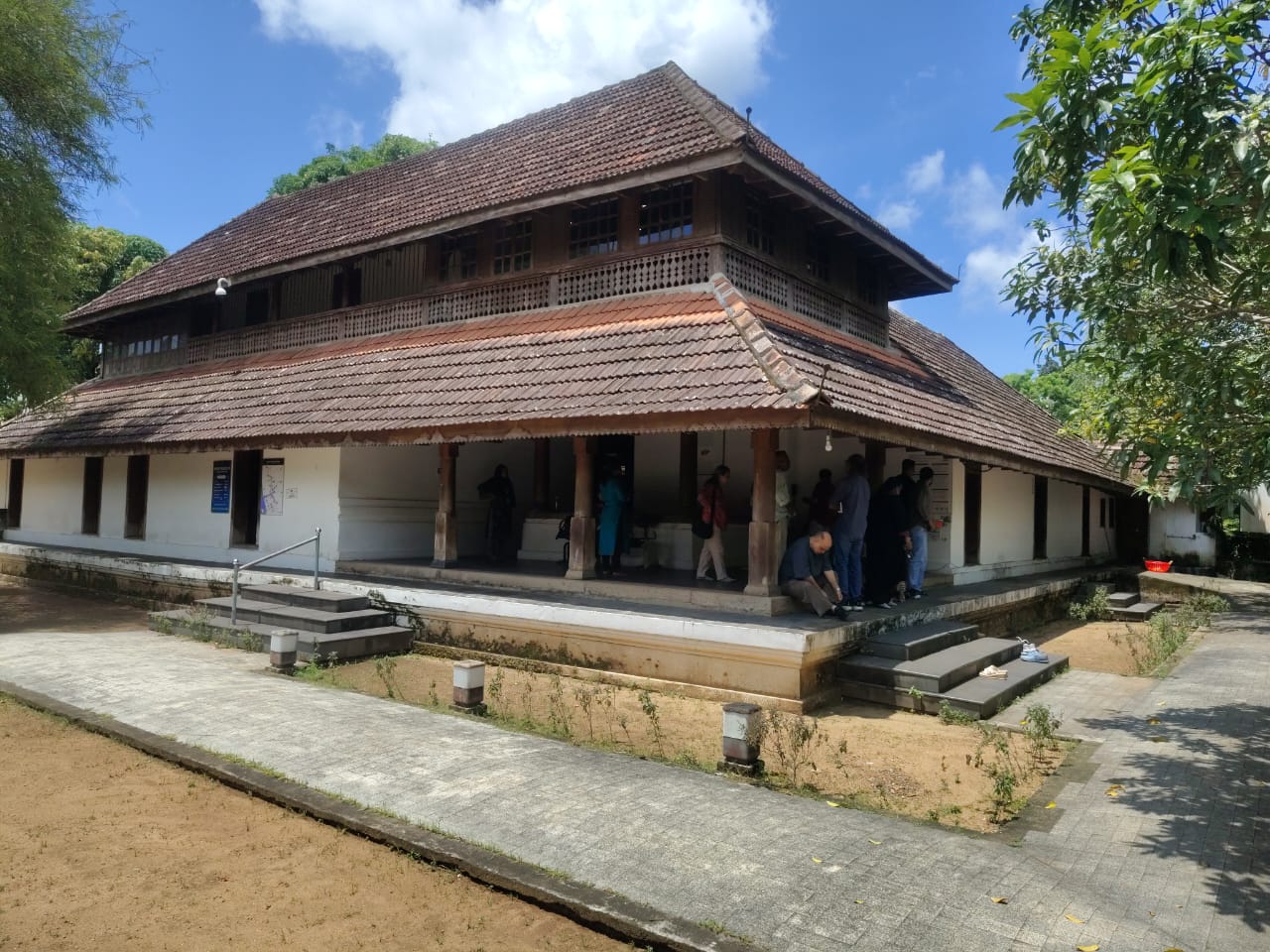
Cherai’s location also gives it a strategic advantage for exploring the Muziris heritage circuit. The area has historical links extending from the ancient Muziris period through Portuguese, Dutch and British rule. Among the attractions highlighted by Vinoj are the historic Portuguese-era Ayakotta Fort, the Basilica of Our Lady of Ransom at Vallarpadam, the 500-year-old Sri Krishna temple, the house associated with social reformer Sahodaran Ayyappan and the Azheekkal Sri Varaha temple. The Gaurishwara temple festival, he said, features around 31 elephants and traditional rituals, while the Sri Varaha temple is associated with a unique chariot festival.
Cherai Tourism is also using tourism to showcase contemporary livelihoods. Visitors can explore the fishing harbour, boat-building yards, ice factories and fish-processing units, while specialised experiences include crab hunting, Chinese fishing-net activities, net casting and bow-and-arrow fishing. The association has also introduced a unique certification in net casting, where a local fisherman, Kuttappanchettan, issues a signed certificate for those who learn net casting.
The organisation says its community-based activities are designed so that payments go directly to the people providing the experiences rather than becoming an additional revenue stream for the association.
Cherai’s accommodation spectrum is another part of its proposition, Vinoj said in an effort to dispel the image of Cherai as a budget homestay destination. “There are accommodations ranging from Rs 600 to Rs 60,000 available in Cherai. We have a range of offerings,” he said. Cherai Tourism commands an inventory of approx. 600 rooms as its members.
The collective has also developed initiatives around responsible tourism, including “Mother’s Promise”, aimed at environmental responsibility, and “Room for Respect”, which focuses on preventing misuse of tourism infrastructure and improving awareness among hospitality staff. It is also advocating a Tourism Regulation and Protection Act to establish clearer safeguards and standards for the sector.
Cherai Tourism has introduced a destination-focused AI chatbot, Arya, which Vinoj claimed as the first AI Chatbot of Kerala Tourism and first destination ChatBot for India. They have also developed a digital character called,“Veeru, the Warrior of Cherai”, an animated character intended to familiarise younger generations with the destination’s history and pride of place.
Food is another area of experimentation. The association pioneered “Samudra Sadya”, a Kerala-style feast centred entirely on seafood, and is developing “Saho”, a shared culinary experience inspired by social reformer Sahodaran Ayyappan and the tradition of community dining.
Vinoj believes Cherai’s collective approach is ultimately about making the destination’s identity stronger rather than simply increasing visitor numbers.
“If you are not proud of your place, you don’t stay here,” he said, stressing the need to build local pride around Cherai’s history, culture and livelihoods among the community and young generation.
With its beaches, backwaters, heritage, food, festivals, accommodation and community experiences, Cherai is attempting to make a case for itself as more than a stopover from Kochi—a destination from which visitors can discover the many layers of the Muziris region while contributing directly to its local tourism economy.