
Egypt’s tourism leadership is in Valletta this week for the WTTC Global Summit, where the world’s travel and tourism industry will examine growth, investment, competitiveness and the sector’s wider economic contribution.
Egypt’s focus is on increasing the value of its tourism economy, not just its size. Arrivals have driven the story for years, and the country remains on track to reach 30 million visitors annually by 2030. The next target is value: leveraging Egypt’s unmatched diversity of products, the authenticity of its tourism experience and move towards higher value tourism encouraging longer stays, while delivering greater economic impact across the country.
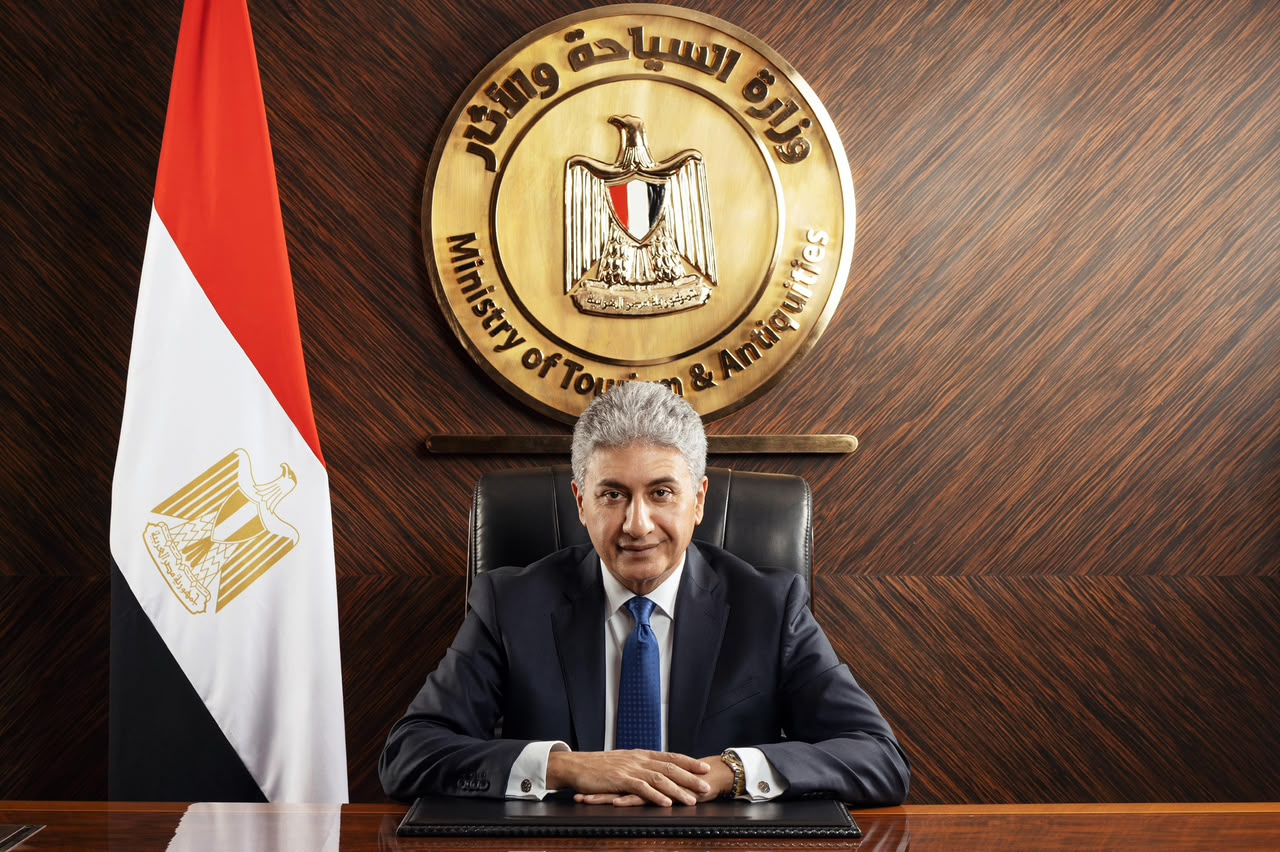
“Egypt’s tourism strategy is designed to consolidate the country’s position as the world’s most diverse tourism destination, building on an unmatched combination of globally significant archaeological and cultural heritage, coastal destinations, nature, adventure and a broad range of distinctive tourism experiences,” said Sherif Fathy, Minister of Tourism and Antiquities, Egypt.
“Our strategy is built around six key pillars: enhancing the competitiveness of tourism investment and attracting foreign direct investment; diversifying tourism products; developing human capital; strengthening governance and improving the visitor experience; advancing sustainability and accelerating digital and green transformation; and strengthening tourism marketing. Together, these priorities are focused on creating greater value from tourism and ensuring that its economic benefits extend across destinations and communities throughout Egypt.”
That depth comes from one fact: Egypt is a single country offering many distinct experiences. A visit can move from the Grand Egyptian Museum into the Giza Plateau, Historic Cairo, the Nile Valley, across to the Red Sea or the Mediterranean coast, and into the Western Desert, all inside one visa. New development is opening more of that map every year. On the Mediterranean coast, New Alamein is combining residential, commercial, cultural and tourism infrastructure into a year-round destination rather than a seasonal one. At the premium end, the proposition is evolving too: intimate dahabiyyas or luxurious Nile Cruises offering highly personalised journeys along the Nile, luxury and boutique stays beyond the traditional circuit, and increasingly diverse experiences spanning heritage, wellness and gastronomy.
Contemporary Egypt is increasingly part of that proposition too. Across the country, a growing cultural and creative scene is giving travellers new ways to experience Egypt beyond its ancient heritage. In Cairo, historic neighbourhoods are becoming centres for contemporary gastronomy, galleries, independent design and creative spaces, while along the Red Sea, local crafts, artisanal traditions, music and emerging cultural experiences are adding another dimension to the coastal proposition. From the Mediterranean to the Red Sea and across Egypt’s cities and communities, these experiences offer visitors a closer connection with the country as it is today, alongside the history that has shaped it.