

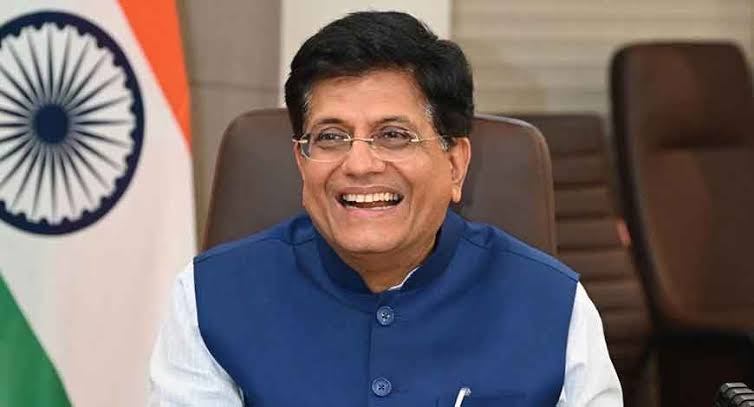
Union Minister Piyush Goyal emphasised the need for a robust healthcare system and outlined key government initiatives during his address at the health summit. He expressed hope that the event would deliver a concrete action plan to strengthen India’s healthcare ecosystem, focusing on infrastructure, capacity building, and inclusivity. The minister also extended condolences to the victims of the recent Red Fort blast, urging citizens to remain vigilant about safety and security in the wake of such tragic incidents.
Highlighting the dedication of India’s medical professionals, Goyal praised the doctors and first responders who provided immediate care to those injured in the Red Fort blast at Lok Nayak Jai Prakash Narayan Hospital. He said their swift action reflects the strength and preparedness of India’s healthcare system, especially in emergency situations, adding that such service makes the entire nation proud.
Goyal further outlined India’s progress in medical education under the Modi government. Since 2014, the number of All India Institutes of Medical Sciences (AIIMS) has grown from seven to twenty-three, while medical colleges have nearly doubled from 387 to 706. He also announced plans to significantly increase medical seats by 2029, ensuring a larger output of qualified doctors and better utilisation of existing infrastructure.
Focusing on inclusivity, Goyal noted that every senior citizen above the age of 70 is now eligible for free healthcare, regardless of income. He stressed that such initiatives reflect Prime Minister Modi’s vision of providing dignity, care, and social security to India’s elderly population, many of whom face neglect even in financially stable homes.
The minister emphasized that India’s healthcare growth should prioritize its 1.4 billion citizens before catering to international medical tourism. He stated that affordable, quality healthcare for local communities must remain the primary goal, even as India strengthens its global reputation as a medical hub.
Addressing the healthcare workforce gap, Goyal urged the sector to focus on training and producing at least 100,000 additional nurses annually to meet rising global and domestic demand. He also mentioned the possibility of introducing a visa-on-arrival system for specific countries to boost medical tourism, emphasising that such steps must ensure safety and regulatory compliance.
Concluding his address, Goyal encouraged hospitals to balance their focus between foreign and local patients, suggesting that facilities offering international services should also commit to social responsibilities, ensuring equitable access for Indian citizens while contributing to the nation’s healthcare growth story.