
India’s GCC Tourism Strategy to Boost Inbound Travel Growth and West Asia Tourism Strategy to Boost High-Value Inbound Travel
India should adopt a more targeted and long-term strategy for the Gulf Cooperation Council India’s GCC Tourism and wider West Asian markets to unlock significant opportunities in inbound tourism, according to tourism industry leaders. With the region accounting for more than 35 per cent of India’s international air connectivity, experts believe the country is well-positioned to attract a larger share of high-spending travellers if it invests in focused marketing, India’s GCC infrastructure, and stronger trade partnerships.
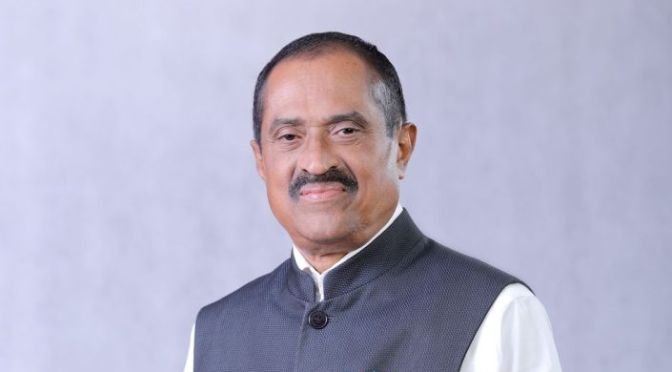
Speaking on the importance of the GCC market, EM Najeeb, President of the Confederation of Kerala Tourism Industry (CKTI), said that travellers from the Gulf represent one of India’s most valuable inbound tourism segments. Their travel preferences extend across leisure, wellness, medical tourism, religious visits, family holidays, shopping, and luxury experiences, making them a strategic audience for India’s tourism sector.
According to Najeeb, India already enjoys strong geographical proximity and excellent flight connectivity with GCC countries, offering a natural competitive advantage over many other destinations. However, he believes that this advantage has not yet been fully translated into sustained tourism growth due to limited market-specific promotion and insufficient product positioning.
GCC Remains a High-Value Source Market
The India’s GCC Tourism region, comprising the United Arab Emirates (UAE), Saudi Arabia, Oman, Qatar, Kuwait, and Bahrain, has emerged as one of India’s most consistent inbound tourism markets over the years. Frequent air services, a large Indian diaspora, growing disposable incomes, and strong cultural ties have helped maintain steady travel demand.
Official figures from the Ministry of Tourism identify the United Arab Emirates, Saudi Arabia, Oman, Qatar, and Kuwait among India’s leading inbound source markets. These countries contribute significantly to visitor arrivals for leisure, business, medical treatment, family visits, and religious tourism.
Industry experts point out that India’s GCC Tourism travellers generally spend more per trip compared to many other international visitors. Longer average stays, premium accommodation choices, shopping, wellness treatments, and family travel contribute substantially to tourism revenues, making the segment particularly attractive for Indian destinations.
Medical Tourism Continues to Drive Growth
One of the strongest pillars supporting inbound travel from the Gulf is India’s rapidly expanding medical value tourism sector.
Patients from across the India’s GCC Tourism increasingly choose India for specialised healthcare services due to the country’s internationally accredited hospitals, experienced medical professionals, advanced treatment options, and comparatively affordable healthcare costs. Many visitors combine medical treatment with post-treatment recovery holidays, wellness programmes, Ayurveda therapies, and sightseeing.
Najeeb noted that medical tourism continues to record healthy growth from West Asian markets and should be integrated into broader destination marketing efforts. Combining healthcare with leisure experiences can encourage longer stays while generating greater economic benefits for destinations across the country.
Beyond Kerala and Goa: Expanding India’s Tourism Story
While destinations such as Kerala and Goa have built strong brand recognition among Gulf travellers, Najeeb believes India’s tourism promotion needs to showcase a much wider range of destinations.
He highlighted that several states possessing world-class tourism assets remain relatively under-promoted in India’s GCC Tourism markets despite their immense appeal.
Among these are Rajasthan, known for its royal heritage, luxury palaces, desert experiences, and cultural festivals; Tamil Nadu, offering ancient temples, spiritual tourism, wellness retreats, and heritage architecture; Uttarakhand, recognised for its Himalayan landscapes, yoga centres, adventure tourism, and wellness experiences; and India’s Northeast, celebrated for its biodiversity, tribal cultures, scenic beauty, and eco-tourism opportunities.
According to industry stakeholders, promoting these destinations would diversify travel patterns, distribute visitor spending across more regions, and reduce overdependence on a limited number of tourism hotspots.
Arabic-Language Marketing Can Improve Engagement
A key recommendation from industry leaders is the introduction of dedicated Arabic-language marketing campaigns for India’s GCC Tourism audiences.
While India enjoys strong awareness in Gulf countries, much of its destination promotion continues to rely on English-language communication. Experts argue that delivering tourism content in Arabic would improve consumer engagement, increase trust, and create stronger emotional connections with potential travellers.
Arabic-language websites, brochures, digital campaigns, destination videos, travel guides, and social media promotions can make India’s tourism offerings more accessible while addressing the specific interests and preferences of Gulf visitors.
Customised storytelling that highlights family-friendly attractions, luxury resorts, wellness experiences, shopping, heritage, and nature tourism could further strengthen India’s competitive position in the region.
Halal-Friendly Tourism Infrastructure is Increasingly Important
Najeeb also stressed the need for expanding halal-friendly tourism infrastructure across Indian destinations.
For many travellers from India’s GCC Tourism countries, access to halal-certified dining options, prayer facilities, culturally sensitive hospitality services, and family-oriented accommodation plays an important role in destination selection.
Developing these facilities does not require major structural investments but can significantly enhance visitor comfort and satisfaction. Hotels, restaurants, airports, shopping centres, and tourism attractions that provide such services are likely to appeal to a broader segment of Gulf travellers.
Industry observers believe these improvements would position India more competitively against destinations in Southeast Asia, Europe, and Central Asia that have already invested heavily in halal-friendly tourism.
Simplifying Visitor Experience
Another area identified for improvement is visitor facilitation.
Tourism leaders say that smoother visa processes, efficient airport services, multilingual information systems, digital travel support, and simplified arrival procedures can greatly enhance the overall visitor experience.
Given the short flight durations between India and India’s GCC Tourism countries, convenient travel arrangements can encourage more frequent short breaks, weekend holidays, family visits, and repeat travel.
Improved customer experience from arrival to departure would also strengthen India’s reputation as a welcoming destination for international visitors.
Building Stronger Trade Partnerships
Najeeb emphasised that tourism growth from the India’s GCC Tourism cannot rely solely on consumer marketing. He called for stronger engagement with travel trade partners across the region.
Regular participation in international travel exhibitions, roadshows, business-to-business meetings, destination workshops, familiarisation trips for travel agents, and partnerships with airlines and tour operators can help generate sustained demand.
Collaborating closely with outbound travel companies in India’s GCC Tourism countries would ensure that a broader range of Indian destinations is included in holiday packages throughout the year.
Such partnerships would also improve destination awareness among travel advisors, who continue to play a major role in influencing booking decisions across Gulf markets.
Opportunity During India’s Monsoon Season
One of the biggest opportunities identified by the tourism industry is attracting more India’s GCC Tourism travellers during India’s traditional monsoon lean season.
Many Gulf countries experience extremely hot summer temperatures, encouraging residents to seek cooler and greener holiday destinations abroad. India’s monsoon landscapes, hill stations, wellness retreats, Ayurveda experiences, and luxury resorts offer attractive alternatives during this period.
By launching targeted seasonal campaigns, India could convert the monsoon months into a stronger tourism period rather than experiencing reduced visitor arrivals.
Industry experts believe carefully designed packages focused on wellness, family holidays, luxury escapes, and nature experiences could significantly improve occupancy rates across hotels and tourism businesses during the off-season.
A Strategic Market for Sustainable Growth
With robust air connectivity, close cultural relationships, increasing medical tourism, and a growing appetite for premium travel experiences, the India’s GCC Tourism and wider West Asian region remain among India’s most promising inbound tourism markets.
Industry leaders believe that adopting a focused strategy centred on Arabic-language marketing, halal-friendly infrastructure, improved visitor facilitation, diversified destination promotion, and stronger trade engagement could substantially increase arrivals from the region.
As India aims to strengthen its position as a global tourism destination, targeted investment in GCC and West Asian markets could deliver year-round visitor growth, higher tourism revenues, and broader economic benefits for destinations across the country.