
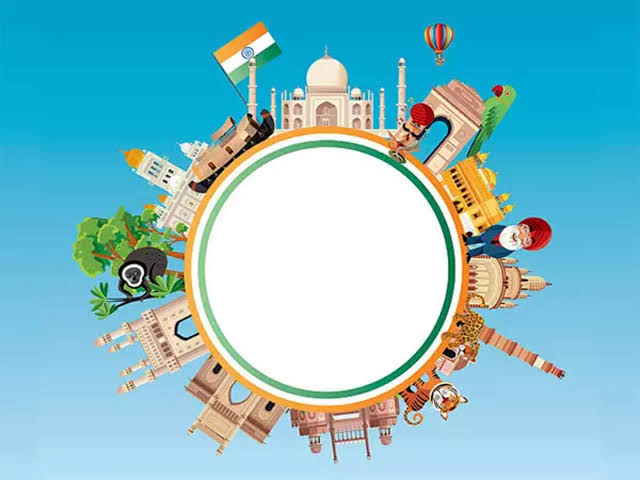
India’s tourism sector is on track to surpass USD 59 billion (INR 5,12,356 crore) by 2028, according to a recent Capitalmind PMS report. This growth is attributed to factors such as rising disposable incomes, improved transportation connectivity, and ongoing infrastructure development across the country. The report highlights that these advancements are enabling more domestic and international travellers to explore India’s diverse destinations.
Domestic tourism is set for an unprecedented boom, with visits expected to double from 2.5 billion in 2024 to 5.2 billion by 2030. This surge represents a compound annual growth rate (CAGR) of 13.4 per cent, indicating a strong appetite for regional travel. Popular destinations—ranging from heritage cities to coastal retreats—are benefiting from improved accessibility and targeted promotional campaigns.
Despite this growth, the report notes that India’s tourism and hospitality sector still lags behind some global peers in terms of GDP contribution. Specifically, it remains 2 per cent below the United States and 4 per cent below Thailand. This gap presents opportunities for India to invest further in tourism infrastructure, service quality, and global marketing to enhance competitiveness.
According to the World Travel & Tourism Council’s (WTTC) Economic Impact Research 2024, domestic visitor spending in India is projected to reach INR 33.95 trillion by 2034. This would mark a sharp rise from INR 14.64 trillion in 2023, with a CAGR of 7.9 per cent. The figures underscore the importance of sustained investment in travel experiences and amenities to meet evolving traveller expectations.
Industry experts believe that this growth trajectory will not only boost India’s GDP but also create millions of jobs across hospitality, transport, retail, and cultural sectors. Strategic collaborations between the government and private stakeholders are expected to play a crucial role in unlocking tourism’s full potential.
As India works toward this $59 billion milestone, the focus will remain on sustainable tourism practices, enhancing visitor satisfaction, and preserving cultural heritage. By balancing growth with responsible travel initiatives, the country can position itself as a leading global tourism hub in the coming decade.