
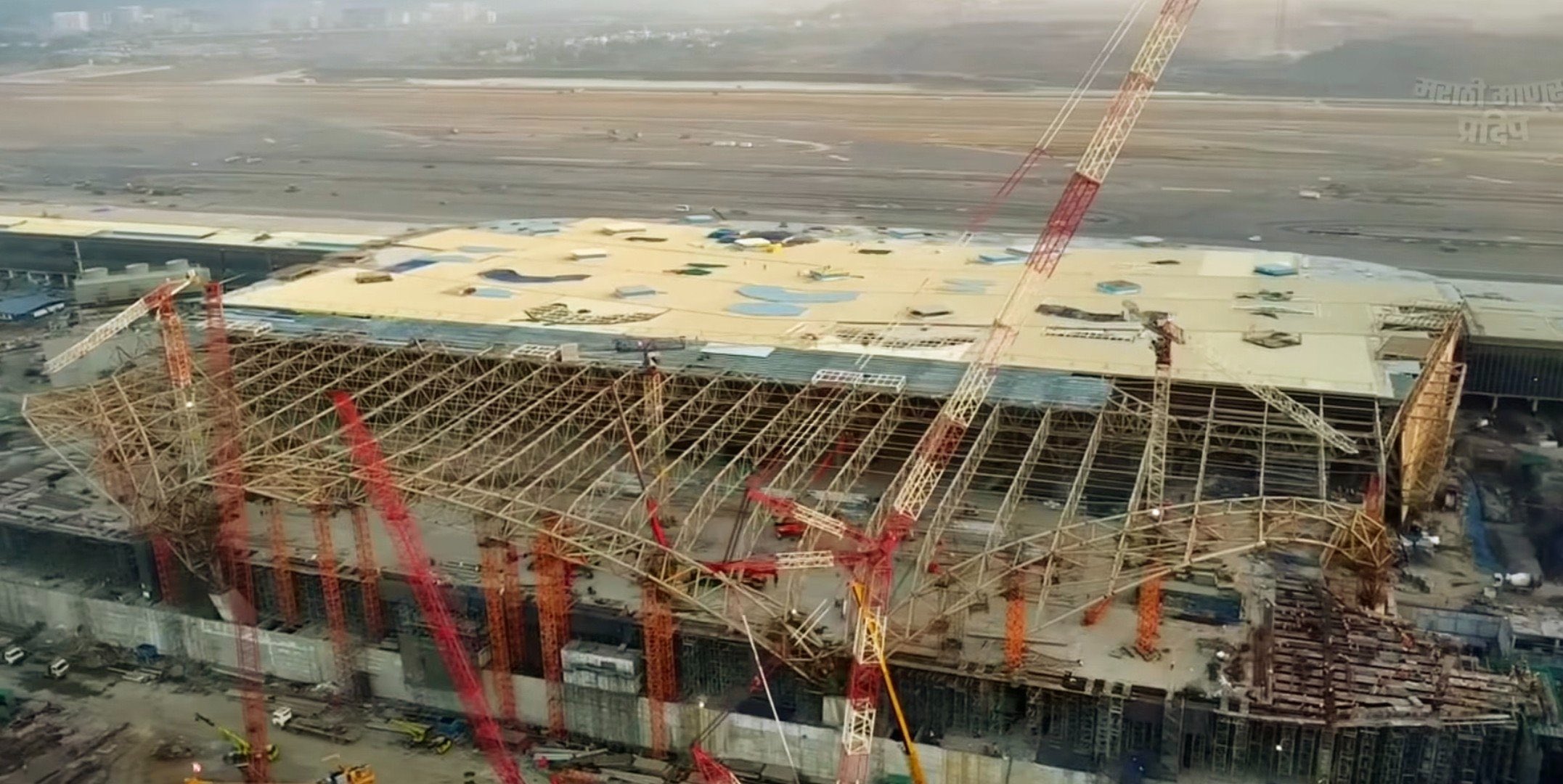
The Navi Mumbai International Airport (NMIA), set to be inaugurated by the end of September 2025 and begin operations around 45 days later, will be equipped with advanced navigational technology to ensure smooth operations even during poor visibility. The installation of a Category II Instrument Landing System (ILS) will allow pilots to land safely in conditions like heavy rain, fog, or low clouds. This is a significant development for the Mumbai region, which often faces weather-related disruptions, especially during the monsoon season. With this upgrade, NMIA aims to reduce flight diversions and delays, ensuring convenience for both passengers and airlines.
The Category II ILS offers precise lateral and vertical guidance for aircraft on final approach, enabling landings with visibility as low as 300 metres. In comparison, Mumbai’s existing Chhatrapati Shivaji Maharaj International Airport (CSMIA) requires a minimum runway visual range of 550 metres for landing. This means that NMIA will have a clear advantage in maintaining operational efficiency during adverse weather, significantly improving connectivity for the region.
To complement the ILS, NMIA has also displaced its runway threshold by nearly 600 metres. This adjustment ensures that incoming flights follow a standard three-degree glide path, which is the international norm for safe and predictable landings. Aligning the runway with global standards also ensures that pilots trained anywhere in the world can adapt easily to NMIA’s approach procedures. This design choice reflects the airport’s ambition to be an internationally competitive hub from the start.
An additional enhancement is the installation of a Category II-approved Precision Approach Lighting System. This specialised lighting helps pilots visually align their aircraft to the runway, even in challenging conditions. The system’s brightness and pattern are designed to remain clearly visible in low visibility situations, further increasing safety during final approach and landing. Together with the ILS, this creates a robust setup for safe, uninterrupted operations.
The introduction of such advanced infrastructure is expected to reduce operational disruptions and strengthen Mumbai’s status as a key aviation hub. Passengers will benefit from fewer cancellations and rerouted flights, while airlines will save on fuel and scheduling costs caused by diversions. For travellers, especially during the monsoon, NMIA’s capabilities will offer peace of mind that weather-related uncertainties will have minimal impact on their plans.
Overall, NMIA’s integration of modern landing technologies demonstrates India’s commitment to developing world-class aviation infrastructure. By adopting international safety and operational standards, the airport is set to become a model for future projects in the country. Once operational, it will not only ease pressure on the overburdened CSMIA but also set a new benchmark for reliability and efficiency in Indian aviation.