

 The sixth edition of the Rajasthan Domestic Travel Mart (RDTM) 2026 concluded in Jaipur, bringing together around 300 buyers from across India and more than 700 Rajasthan-based tourism businesses for three days of networking, business meetings and destination showcasing.
Organised by the Federation of Hospitality and Tourism of Rajasthan (FHTR), with the support of the Department of Tourism, Government of Rajasthan, the mart was held under the theme ‘Stories, Journeys, Smiles: One State, Two Marts, Endless Opportunities’.
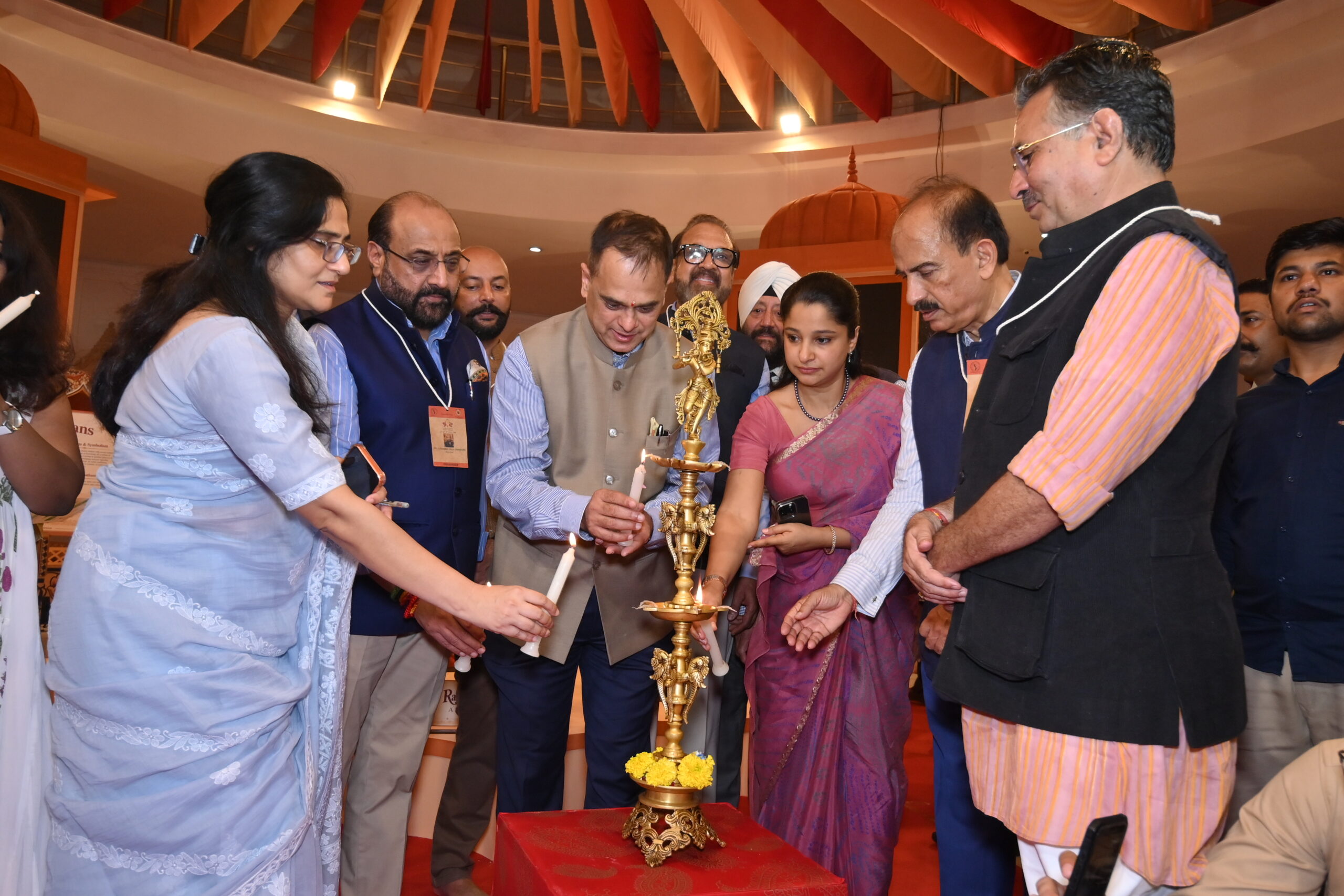
The event opened with an inauguration ceremony at the historic Amer Fort, attended by Secretary Tourism, Government of Rajasthan, Shuchi Tyagi; Commissioner, Tourism, Rukmani Riar; senior tourism officials; FHTR representatives and hospitality industry stakeholders. The setting reflected the mart’s broader objective of presenting Rajasthan beyond its established heritage attractions and highlighting its evolving portfolio of experiences, destinations and tourism products.
 The two-day B2B programme at the B.M. Birla Convention Centre featured nearly 160 pavilions, representing hotels, heritage properties, tour operators, destination management companies, wedding planners and other tourism businesses. More than 21,000 pre-scheduled B2B meetings were expected to take place between participating buyers and sellers, providing a platform to explore new products, partnerships and source markets.
Chief Secretary, Government of Rajasthan, V. Srinivas inaugurated the exhibition and interacted with exhibitors across the show floor. The offerings included conventional hospitality products alongside caravans, the Palace on Wheels, technology solutions and sustainable tourism initiatives. A visit by Sawai Padmanabh Singh, a member of the erstwhile Royal Family of Jaipur, further added to the heritage narrative surrounding the event.
Beyond Sightseeing
 A key message emerging from RDTM 2026 was the need to move beyond conventional sightseeing and position Rajasthan as a destination for experience-led travel.
Tyagi highlighted the potential of segments including weddings, rural tourism, wildlife, eco-tourism, wellness, adventure, spiritual tourism, monsoon tourism and MICE. The focus is increasingly on developing Rajasthan as a year-round destination, while encouraging visitors to explore lesser-known destinations and spend more time within the state.
This strategy also has a wider economic objective. Distributing tourist traffic beyond the established circuits can create opportunities for local communities, artisans, homestays, guides and small tourism businesses, while potentially increasing visitor stays and expenditure.
Expanding Tourism Network
The focus on lesser-known destinations was another prominent feature of the mart. Rukmani Riar highlighted the possibility of taking RDTM to different districts in future editions, creating greater visibility for local tourism products and destinations.
The approach reflects a broader shift in Rajasthan’s tourism strategy — from concentrating demand around Jaipur, Jodhpur, Udaipur and Jaisalmer to developing a wider network of destinations and experiences.
Hosted buyers were also introduced to different aspects of the state through curated experiences, including Amer Fort, polo and traditional handicrafts represented by Rajeevika artisans.
Weddings and MICE gain prominence
For the first time, the mart provided a dedicated platform for the events and wedding segment, reflecting Rajasthan’s growing importance in India’s destination wedding and MICE markets.
The participation of wedding planners from across the country creates opportunities across the wider tourism ecosystem, including hotels, palaces, heritage venues, event companies, transport operators, artisans and local suppliers.
FHTR President Surendra Singh Shahpura said the inclusion of wedding planners reflects the emerging opportunities for Rajasthan in the wedding and MICE space. He also emphasised the potential of connecting rural areas with tourism to generate investment and employment.
Linking tourism with heritage conservation
Responsible tourism also featured in the mart’s narrative, with initiatives around the restoration of traditional stepwells and preservation of water heritage. The promotion of the Kamaicha, a traditional musical instrument associated with the Manganiyar community, highlighted another dimension of tourism-led cultural preservation.
Rajasthan’s polo heritage was similarly positioned as a tourism experience. The FHTR Cup Polo Exhibition Match at the Rajasthan Polo Club on September 18 brought hosted buyers and invited guests together, with the event also showcasing the potential of night polo as a visitor attraction.
For FHTR, RDTM extends beyond being an annual trade marketplace. The Federation sees the platform as a mechanism to bring government and industry together, support tourism policy discussions and facilitate business linkages across the state.
As RDTM 2026 concluded, its central message was clear: Rajasthan’s tourism proposition is expanding beyond its iconic forts, palaces and established circuits. Heritage, wildlife, rural experiences, handicrafts, cuisine, wellness, adventure, weddings and MICE are increasingly becoming part of a broader destination strategy aimed at encouraging travellers to explore more of the state — while creating wider opportunities for the businesses and communities that underpin its tourism economy.