

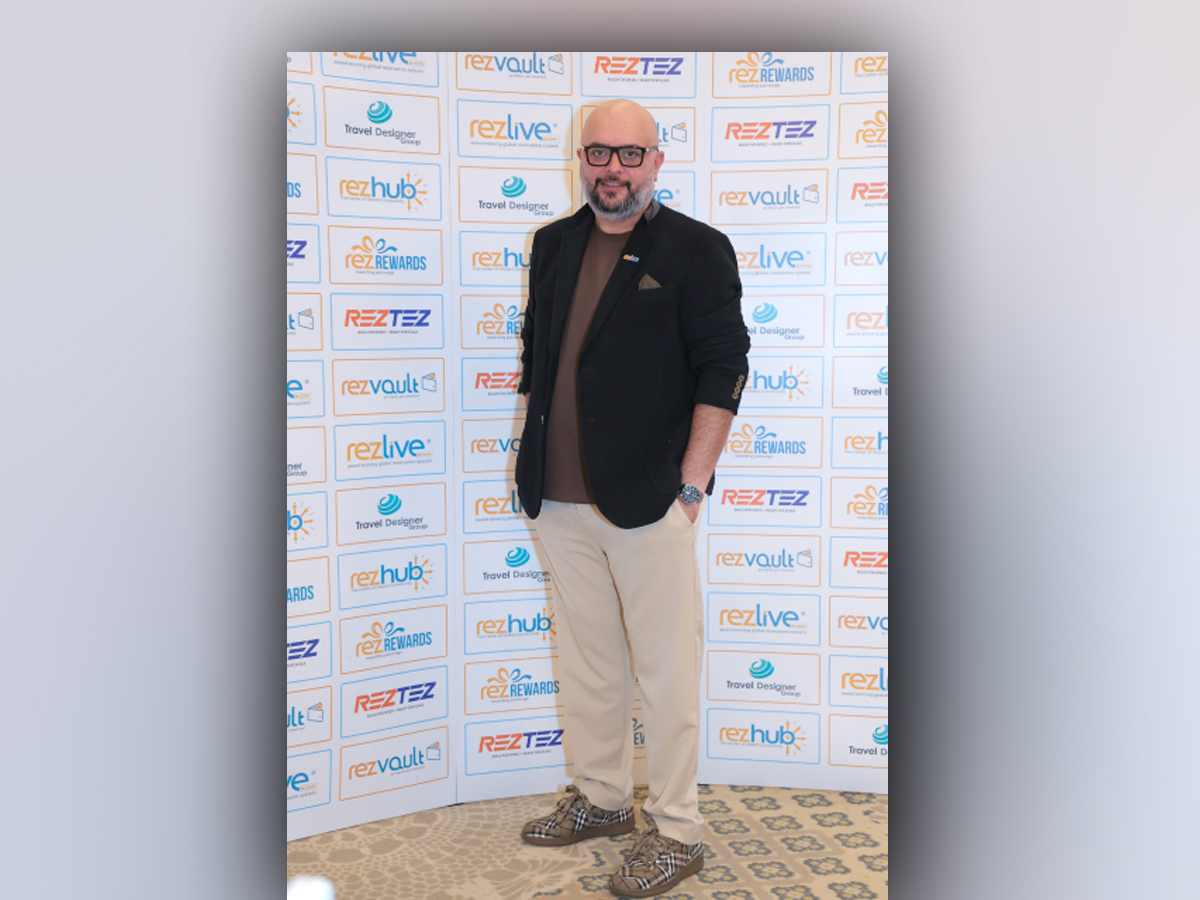
Jaal Shah, Founder – RezLive.com, Group Managing Director – Travel Designer Group
Every few years, our industry rediscovers the same headline: technology is about to make the travel agent redundant. First, it was the internet. Then it was the OTAs. Today it’s artificial intelligence, with the promise that travellers will simply ask a chatbot to plan and book an entire holiday. Having spent years building a B2B platform that serves travel agents across more than a hundred countries, I’ve learned to take these predictions with a healthy dose of scepticism (and optimism).
The reality is that travel has never been a purely transactional business. A flight and hotel room are commodities; a well-crafted journey isn’t. When a family of six is traveling across three countries, when a honeymoon depends on the right room with the right view, when a corporate group needs to move at a moment’s notice—what people want is not just inventory. They want judgement, reassurance, and someone who’ll pick up the phone when a connection is missed at midnight. That’s the work of an agent, and no algorithm has yet learned to care.
What’s changing – and changing fast – is the toolkit. The agent of 2026 isn’t fighting against technology, the best of them are being powered by it. Real-time access to global inventory, dynamic pricing, instant confirmations and intelligent search mean that a single agent today can do what used to take an entire back office. Tasks that once took hours – comparing rates, reissuing a booking, reconciling payments – are shrinking down to seconds. This doesn’t demean the agent. It liberates them to do the only thing machines can’t: advise.
I see this most clearly in markets like India, where outbound travel is exploding not just from the metros but from tier-two and tier-three towns. A new generation of travellers is striking out beyond Indian shores for the first time – and they’re doing it through agents they trust. These agents don’t need tech that replaces them; they need tech that travels with them, accessible on a phone, available around the clock, able to turn a complex multi-destination itinerary into a confident “yes, I can arrange that.”
That, to me, is where the buck stops when it comes to platforms like ours. For too long “B2B tech” meant clunky systems that agents put up with instead of enjoyed. That era is over. If we want agents to love tech, we have to build tools worthy of their trust: fast, reliable, transparent on pricing, and relentless at stripping friction away – especially around payments, which remain one of the most underappreciated pain points in our business. The platform’s role isn’t to sit between the agent and their customer. It’s to disappear into the background so the agent can shine.
Artificial intelligence will absolutely reshape how we work. It will handle routine queries, surface better options, predict demand, and flag problems before they occur. But I would gently push back on the idea that travellers will hand over their most meaningful journeys – the anniversaries, the pilgrimages, the once-in-a-lifetime trips – to a fully automated process with no human accountability. Trust doesn’t scale that easily. In emerging markets especially, the agent remains the bridge between ambition and arrangement.
So, what should agents do? My advice is simple. Don’t fear the tech, demand more of it. Choose partners who invest in your success, not compete for your customer. Use automation to eliminate the mundane, and pour the time you reclaim into relationships, expertise, and service. The agents who will thrive in the next decade are not the ones who resist change – they are the ones who let technology carry the load while they carry the trust.
I won’t lie. The headlines will keep predicting the end of the travel agent. I’ve stopped worrying about them. The agent who clings to old habits may indeed struggle. But the agent who picks up the right tools, sharpens their advisory edge, and stays close to their customer has never been more relevant. Our entire industry is built on a simple truth that no amount of automation can erase: people travel to connect with the world, and they still want a fellow human to help them get there.
That’s the agent I’m building. And I’m more optimistic about their future than ever.