
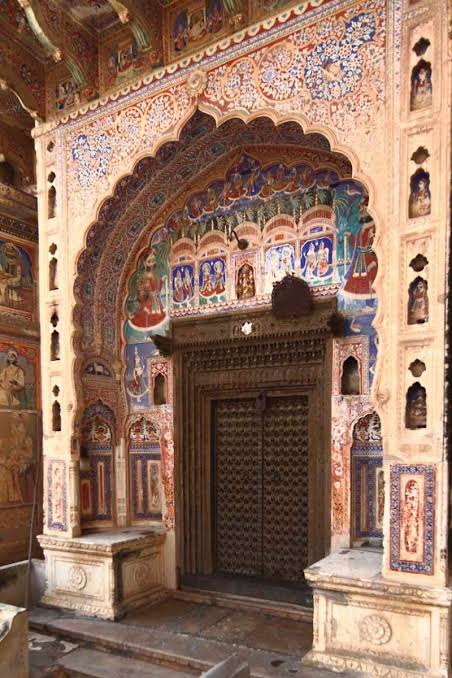
In Sikar, Rajasthan, there are 272 havelis, of which 201 remain in good condition, 15 are in average shape, 46 are dilapidated, and 10 are disputed. These historic mansions are key to the Shekhawati region’s identity but face the risk of decay and neglect if not preserved. Local experts have stressed the need for immediate conservation efforts to safeguard these heritage assets for future generations.
Ownership data reveals that in Sikar, 143 havelis are owned by non-resident Rajasthanis, while 50 are in Jhunjhunu and 35 in Churu under similar ownership. The rest are held by local residents. Experts warn that private ownership disputes must be addressed promptly. If unresolved, the government may need to step in to take over empty properties and initiate restoration.
The Modi government, in collaboration with the Rajasthan government, has committed to reviving the Shekhawati region’s rich heritage. The tourism ministry has sanctioned INR 642.85 crore for Rajasthan under various schemes, with INR 124.13 crore specifically allocated to Shekhawati heritage projects. The aim is to preserve culture while boosting tourism revenue.
Officials have also expressed concern over the loss of traditional architecture in India. Many heritage buildings are being demolished or replaced with modern structures, leading to uniform architectural styles from Kashmir to Kanyakumari. This shift threatens the use of local materials, skilled craftsmanship, and unique designs that once defined regional identity.
Heritage experts stress that preserving historical architecture is not only about cultural pride but also about economic potential. Restored havelis can serve as museums, boutique hotels, or cultural centers, attracting both domestic and international tourists. This transformation can generate jobs, support artisans, and revive local economies.
Shekhawati remains one of India’s richest regions in terms of heritage properties. Without urgent intervention, these unique havelis risk disappearing forever. Authorities, private owners, and local communities must work together to ensure these treasures are protected, restored, and celebrated as part of India’s living history.