

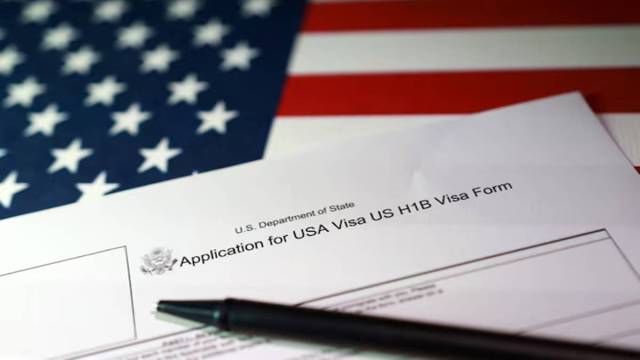
The US Department of State said visa screening draws on available sources to identify applicants who may be ineligible to enter the country, including individuals considered potential national security or public safety risks.
The screening framework already applies to several visa categories, including F-1 and M-1 student visas, along with F-2 and M-2 dependants. It also covers H-1B and H-3 applicants, H-4 dependants, and J-1 and J-2 exchange visitors.
Other categories subject to the screening include A-3 and G-5 visas, as well as C-3 visas for domestic workers. These categories cover certain applicants travelling to the US in connection with diplomatic, international organisation or official assignments.
The framework also includes K-1, K-2 and K-3 visas, Q visas for international cultural exchange participants, and R-1 and R-2 visas for religious workers and their dependants.
In addition, screening applies to S, T and U visa categories, which cover certain witnesses, informants and victims. The Department of State said applicants must establish that they qualify for the visa category they are seeking and intend to comply with the conditions of admission.
The department said visa adjudication involves assessing eligibility, including whether applicants may pose risks to Americans or US interests. The screening forms part of the broader assessment conducted before visas are issued.